Alabama Road Signs and Their Meanings
Alabama charges for the test itself, not just for the license it leads to, and the manual says so in its first sentence about the exam: "The fee for each knowledge test is $5.00, no checks accepted." The Alabama Law Enforcement Agency repeats it in its document-requirements table as a "$5 test fee (no checks)", listed on a separate line from the $36.25 you pay afterwards to buy the license. The fee attaches to the examination, so a miss costs five dollars and another trip. What those five dollars cover is described in the same paragraph and then dropped: "This test contains questions on Alabama traffic laws, road signs, and rules of safe driving. The test will be taken from material found in this booklet." Road signs sit in the middle of a list of three, and the booklet is the Alabama Driver Manual — all of it, with nothing fenced off.
There is no Alabama sign score to clear. The agency publishes no question count, no passing percentage and no time limit for the knowledge test — not in the manual and not on alea.gov — so no arithmetic exists that would tell you how many sign questions you can afford to lose. An Alabama drill on this page runs to thirty items and asks for twenty-four of them, purely because a drill has to be some length; the state has never supplied one. What the manual does commit to is narrower and more useful: everything asked comes out of the booklet, and "automated testing is available to all applicants taking the driver license knowledge test", so you will be answering on a screen. Because the fee is per examination rather than per visit, collecting more than one credential costs more than one fee — an applicant seeking both a motor-driven cycle license and a learner license, the manual says, is required to take both examinations. Alabama also publishes eleven languages for the written test, from Arabic to Vietnamese, and directs you to a district office to find out how each is administered.
Chapter 5 of the Alabama Driver Manual is titled Signs, Signals and Road Markings, and it opens by asking for recognition speed rather than recall: you must know these things "well enough to recognize them immediately and, in the case of regulatory signs, obey them without hesitation." It then explains why symbols have been displacing words — they carry "the advantage of quicker recognition at higher speeds and at greater distances" — before instructing you in capitals to KNOW THESE SIGNS BY THEIR SHAPES AND COLORS. Alabama then narrows the field harder than most states do: "The three types of traffic signs are classified according to function. They are regulatory, warning, and information or guide signs." Three families, and the chapter's contents follow them in exactly that order — Traffic Signs on page 41, Regulatory Signs on 42, Warning Signs on 44, Informational or Guide Signs on 51 — before moving on to pavement markings, traffic signals and roundabouts. Railroad crossings are not in this chapter at all. The manual files them back in Chapter 4, The Driver, next to stopping distance and what to do after a crash.
Do not let the balance of this set set the balance of your reading. The published Alabama questions here divide fairly evenly between regulatory signs, warning signs and the guide-sign family, but the manual is nothing like that flat: its warning-sign pages run longer than its regulatory and guide-sign pages put together, because warning signs are where Alabama prints its largest gallery of individual faces. Spend your time in proportion to the chapter, not to the practice set. One question stands outside the signs chapter altogether, at the railroad crossing — which is also where the manual writes at its bluntest. That section drops the explanatory tone entirely, hands you a list of statistics about how long a freight train needs to stop and how many crossing collisions happen at crossings that already have active warning devices, and closes on a single instruction in capitals: always expect a train.
15 published Alabama road-sign questions, each with an explanation and a citation to the handbook section it came from.
Content reviewed against official driver handbooks · August 12, 2026
Every sign you can be tested on in Alabama
Regulatory signs
- Stop

- Yield

- Do Not Enter

- Wrong Way

- No U-Turn

- Speed Limit

- One Way

- All Way

- State Law: Yield to Pedestrians

- State Law: Stop for Pedestrians

- Truck Speed Limit

- Minimum Speed Limit

- Reduced Speed Limit Ahead

- Begin Higher Fines Zone

- End Higher Fines Zone

- No Right Turn

- No Left Turn

- No Turns

- Left Lane Must Turn Left

- Right Lane Must Turn Right

- Intersection Lane Control

- Bike Lane

- No Left or U-Turn

- No Straight Through

- Do Not Pass

- Pass With Care

- Slower Traffic Keep Right

- Begin Right Turn Lane — Yield to Bikes

- Trucks Use Right Lane

- Keep Right

- Keep Left

- Keep Right Except to Pass

- Do Not Drive on Shoulder

- No Trucks

- No Motor Vehicles

- No Bicycles

- No Pedestrians, Bicycles, or Motor-Driven Cycles

- No Parking Any Time

- Accessible Parking

- No Parking Bus Stop

- No Parking

- Stop Here on Red

- Do Not Block Intersection

- No Turn on Red

- Left Turn Yield on Green

- Road Closed

- Road Closed — Local Traffic Only

- Road Closed to Thru Traffic

- Weight Limit

- No Hazardous Materials

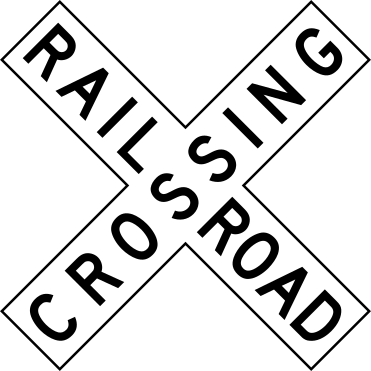
- Railroad Crossing (Crossbuck)
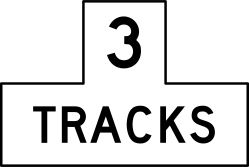
- Number of Tracks
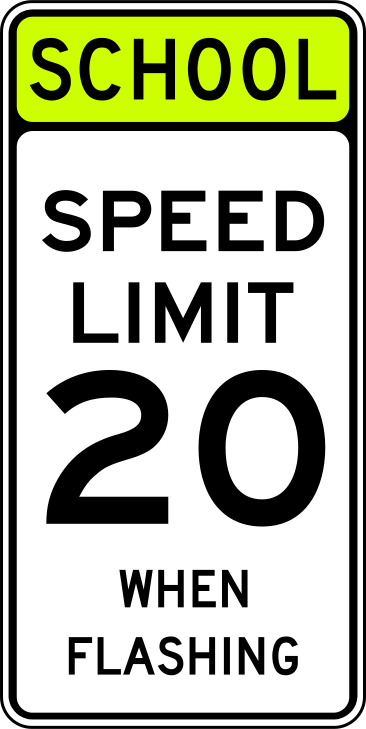
- School Speed Limit When Flashing
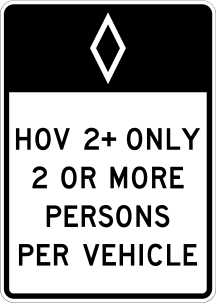
- HOV Lane
- Exempt

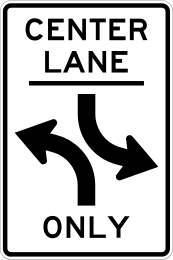
- Two-Way Left Turn Only
Warning signs
- Turn Ahead

- Stop Ahead

- Signal Ahead

- Pedestrian Crossing

- Curve

- Reverse Turn

- Reverse Curve

- Winding Road

- One-Direction Large Arrow

- Two-Direction Large Arrow

- Chevron Alignment

- Hairpin Curve

- Cross Road

- Side Road

- Roundabout Ahead

- Yield Ahead

- Be Prepared to Stop

- Reduced Speed Limit Ahead

- Merging Traffic

- Lane Ends

- Added Lane

- Lanes Merge

- Road Narrows

- Narrow Bridge

- One Lane Bridge

- Ramp Narrows

- Divided Highway Begins

- Divided Highway Ends

- Two-Way Traffic

- Hill / Steep Grade

- Bump

- Dip

- Pavement Ends

- Soft Shoulder

- Slippery When Wet

- Loose Gravel

- Rough Road

- Low Shoulder

- Uneven Lanes

- Grooved Pavement

- Metal Bridge Deck

- Railroad Crossing Ahead

- Bicycle Crossing

- Deer Crossing

- Cattle Crossing

- Farm Machinery

- Snowmobile Crossing

- Equestrian Crossing

- Persons with Disabilities

- Golf Cart Crossing

- Horse-Drawn Vehicle Crossing

- Low Clearance

- Advisory Speed

- Dead End

- No Outlet

- No Passing Zone

- Playground

- Speed Hump

- School

- Truck Rollover

- Bridge Ices Before Road

- Road May Flood

- Runaway Truck Ramp
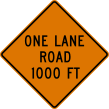
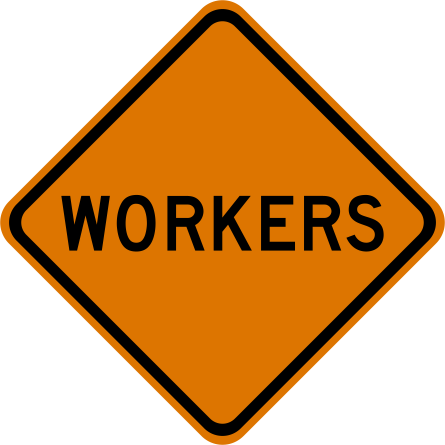
Construction & work-zone signs




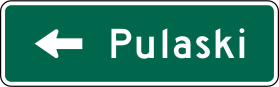
Guide signs


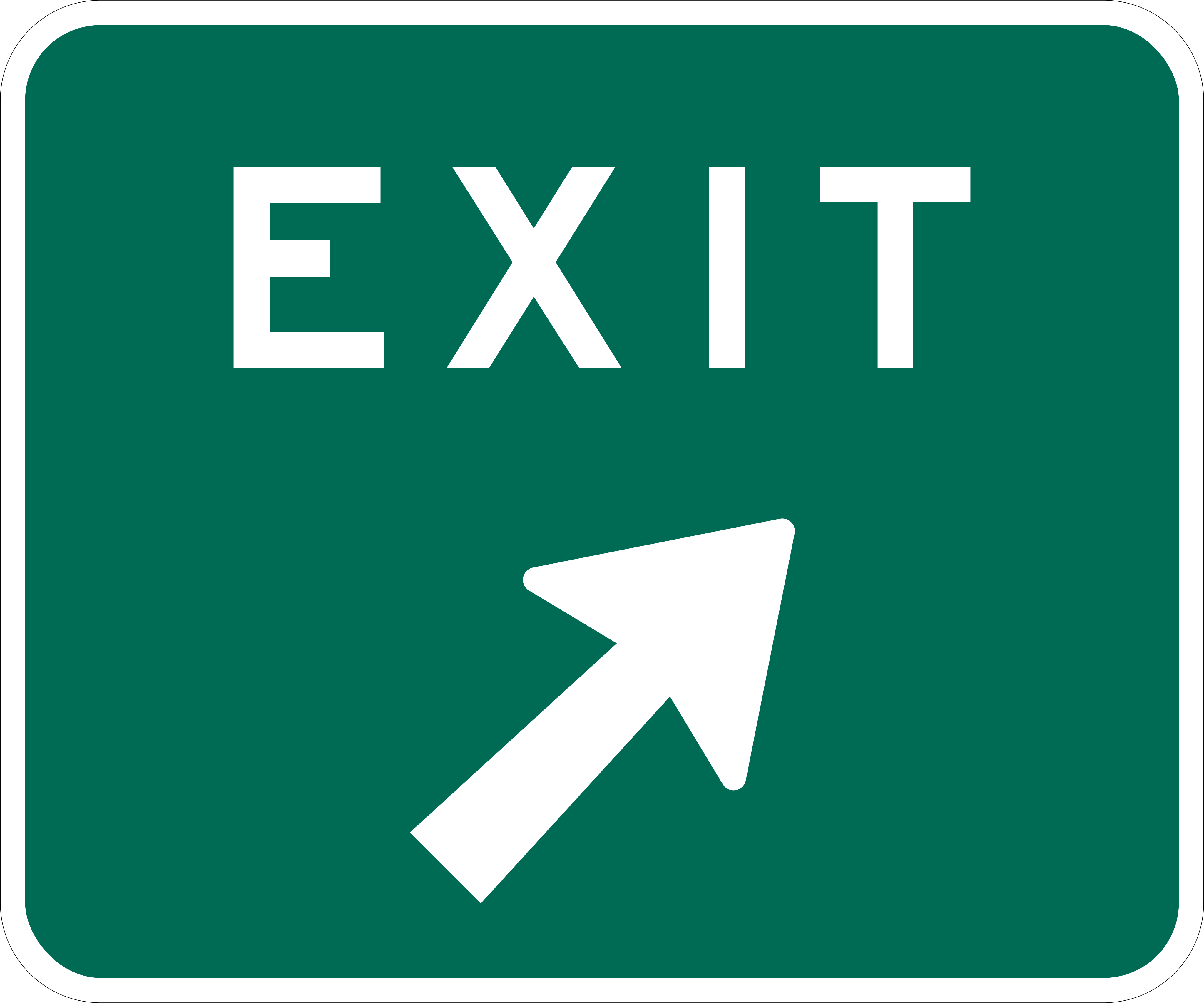


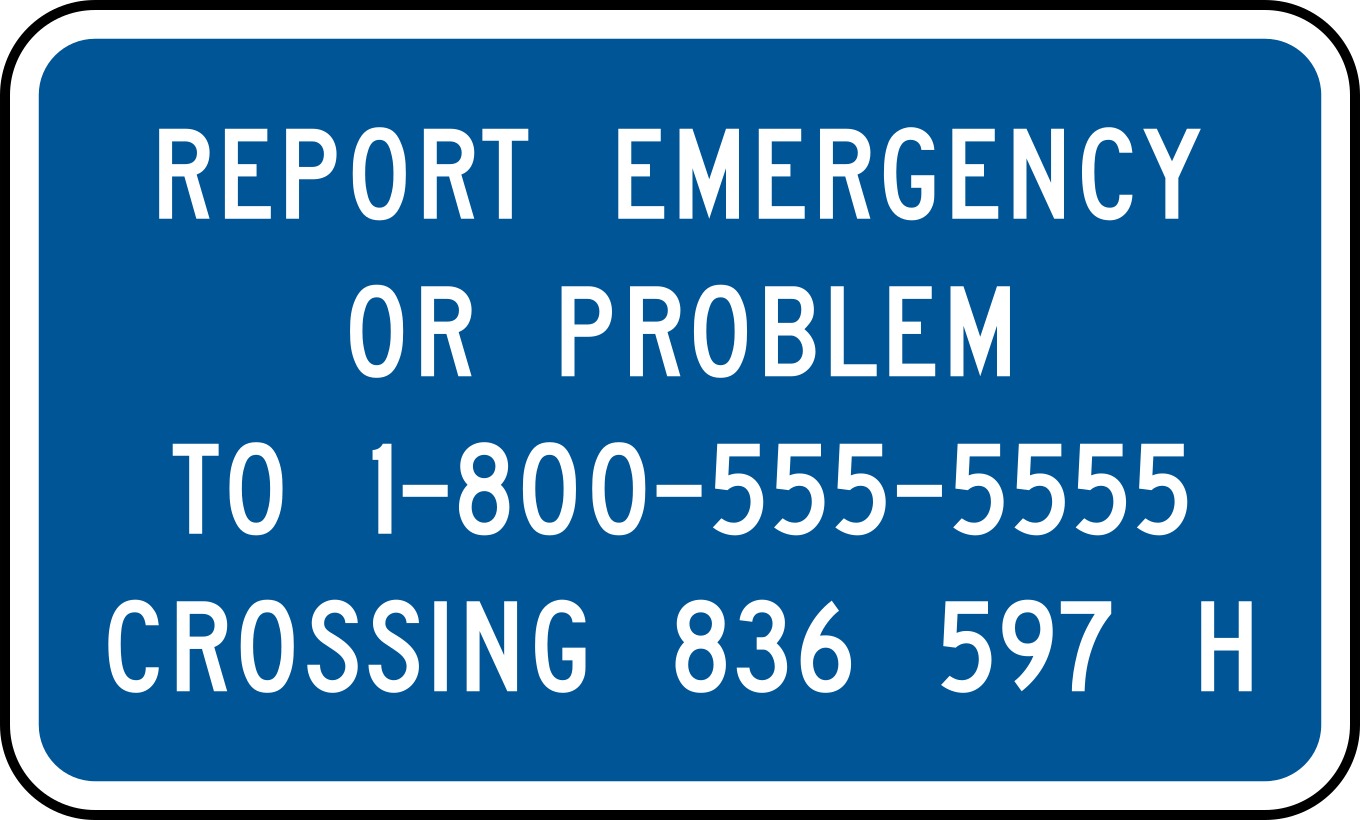
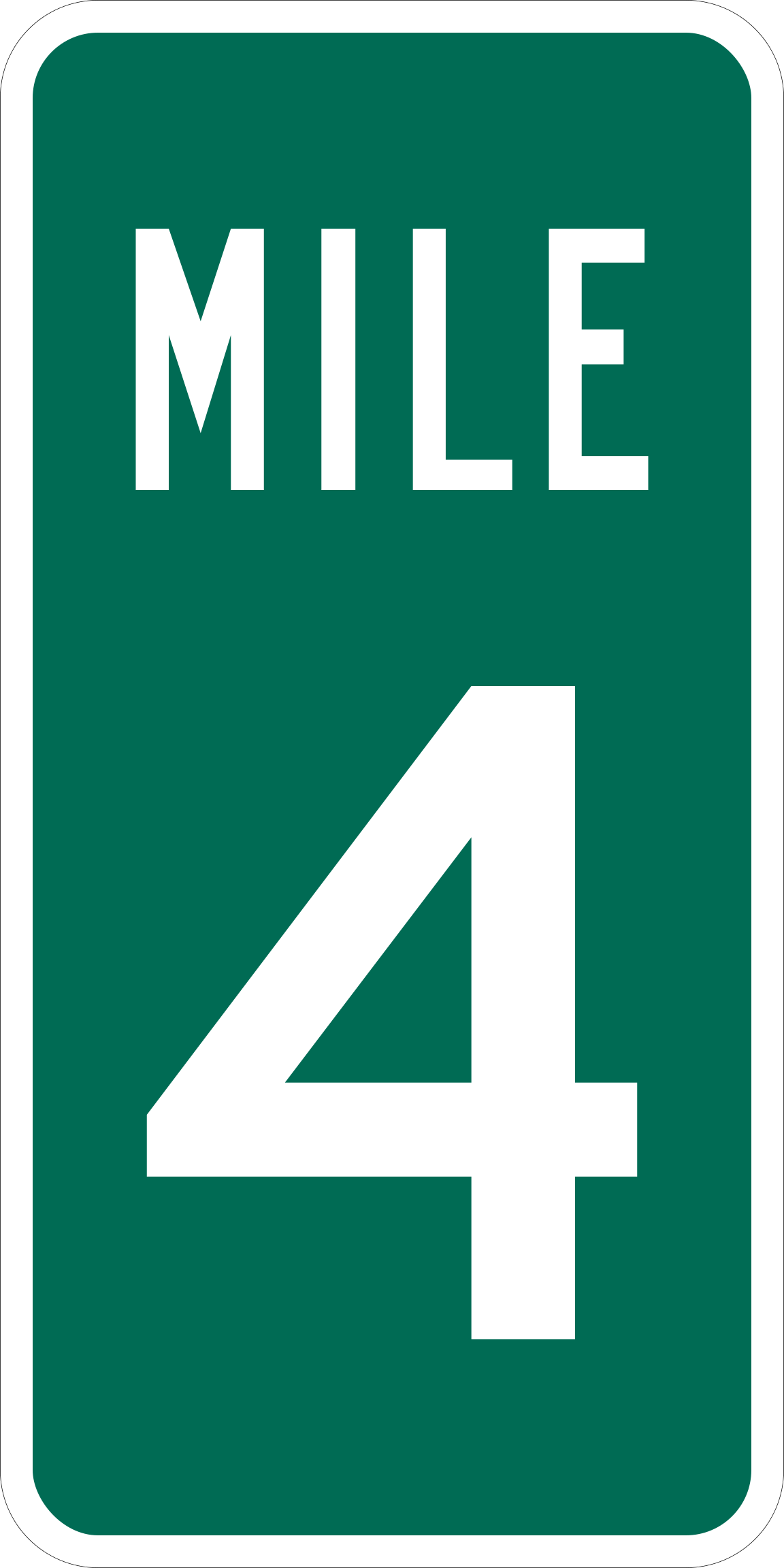
Service & information signs


Alabama road signs: frequently asked questions
Does the five-dollar fee cover a retake in Alabama?
Alabama prices the test rather than the application, and neither document that mentions the fee describes a free retake. The manual's wording is "the fee for each knowledge test", and the agency's requirements table lists the $5 test fee on its own line, separate from the $36.25 charged to purchase the license. The safe assumption is that you budget for the fee on any visit where you will be examined. Bring cash or a card either way: both places the fee appears say no checks.
What do I need to bring to an Alabama knowledge test?
The agency's requirements table is specific, and one line on it trips people up. You need a certified U.S. birth certificate issued by the Bureau of Vital Statistics — photocopies are refused in capital letters — plus your Social Security card, two proofs of principal residence, and, if you are younger than nineteen and applying for the first time, an acceptable school enrolment form or proof of graduation. Then the $5 test fee, and the $36.25 license purchase if you are completing everything in one visit. Applicants eighteen or older who intend to finish all testing that day also need a licensed driver with them, proof of car insurance, and a vehicle that will pass inspection.
Alabama's manual spends pages on railroad crossings. What does it actually want me to do?
Four things, stated as instructions rather than warnings. Never shift gears while you are on the crossing — if your vehicle has a manual transmission, shift down before it and stay in that gear across. Be ready to stop behind buses and trucks, which are required to stop at crossings whether or not a train is coming. Cross only at designated crossings. And if your vehicle stalls on a crossing, get everyone out of the vehicle immediately, move away from the tracks, and call local law enforcement. The section supports all of it with figures — a freight train traveling at 55 mph needs a mile or more to stop, which the manual translates as the length of 18 football fields.
Alabama says regulatory signs are black and white. Why do I keep seeing red ones?
Because the manual writes its own exception into the same sentence. Chapter 5 opens the regulatory family with "Regulatory signs regulate the movement of traffic. They are black and white with the exception of those shown in actual color, and MUST be obeyed." In other words, black and white is the default it wants you to carry, and the ones the manual prints in color — a red octagon, an inverted red-and-white triangle, and the red-backed signs that turn a wrong-direction driver around — are its own named exceptions rather than a separate family. The part that never bends is the last clause, and Alabama sets it in capitals.
What is the youngest Alabama will license, and what does the "Y" restriction mean?
Fifteen for a car, and fourteen for a motor-driven cycle. The manual states that any person fifteen years of age may obtain a restricted Learner License, that the examination for it is taken from information in the Alabama Driver Manual, and that passing it produces a Class D license carrying a "Y" restriction — the holder may drive only when accompanied by someone twenty-one or older. The agency's requirements table opens the motor-driven cycle license at fourteen and fifteen, on the same $5 testing fee and with proof of school enrolment or graduation required at fifteen.
Official sources
Checked against official state sources on 2026-07-29.