Massachusetts Road Signs and Their Meanings
Twenty-five questions, twenty-five minutes, and the Registry does the arithmetic for you in the manual: you have about one minute to answer each question. Eighteen of the twenty-five have to be right, so seven misses is the margin, and once the exam begins the clock does not stop — the RMV's own permit FAQ answers the question of whether you can pause and come back later with a flat no. Signs are where that clock either costs you nothing or costs you everything, because a sign you recognize is answered in three seconds and a sign you do not is answered by staring at it.
Massachusetts sets no separate requirement for the sign questions: one score covers the whole exam and the RMV publishes no count of how many of the twenty-five involve signs. What it does publish is the list of topics the exam draws on, and the order that list is written in says something about the state's priorities. It reads: alcohol misuse, suspensions, and JOL violations, as well as rules of the road and identifying road signs. A learner's permit syllabus that opens with alcohol misuse and Junior Operator Law violations, and reaches signs only at the end, is a syllabus that puts the consequences of holding a license ahead of the mechanics of using one. Signs are still on that list, and the pass mark is eighteen of twenty-five: seven wrong answers, falling anywhere across any of those topics, and the exam is still a pass.
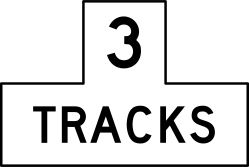
The sign material sits in Chapter 4 of the Massachusetts Driver's Manual, Rules of the Road, published by the Registry of Motor Vehicles. Traffic Signs opens on page 83 with the color key, and the sub-headings that follow — Stop and Yield Signs, Regulatory Signs, Warning Signs, Guide Signs, Railroad Crossings — all begin on page 86, one after another. The railroad entry under that last heading carries a detail worth noticing: Massachusetts says the point where tracks cross a road is marked with a white crossbuck, and that where more than one track crosses, the number of tracks is posted below the crossbuck.
Most of this Massachusetts set is cited to the Traffic Signs section as a whole. Where a question does name a specific part of it, the part named most often is not a sign family at all — it is the color key that opens the section, cited more times than stop and yield, regulatory, warning, guide or railroad crossings individually are. There is a reason it earns that: the Massachusetts list runs to ten colors. Eight of them are the ones any driver half-recognizes; the last two, fluorescent pink and purple, are the ones almost nobody can name, and both turn up in this bank for exactly that reason. Colors are also the cheapest thing to get right under a clock: a color and a shape narrow an unfamiliar sign to a category before you have read a word of it.
35 published Massachusetts road-sign questions, each with an explanation and a citation to the handbook section it came from.
Content reviewed against official driver handbooks · August 12, 2026
Every sign you can be tested on in Massachusetts
Regulatory signs
- Stop

- Yield

- Do Not Enter

- Wrong Way

- No U-Turn

- Speed Limit

- One Way

- All Way

- State Law: Yield to Pedestrians

- State Law: Stop for Pedestrians

- Truck Speed Limit

- Minimum Speed Limit

- Reduced Speed Limit Ahead

- Begin Higher Fines Zone

- End Higher Fines Zone

- No Right Turn

- No Left Turn

- No Turns

- Left Lane Must Turn Left

- Right Lane Must Turn Right

- Intersection Lane Control

- Bike Lane

- No Left or U-Turn

- No Straight Through

- Do Not Pass

- Pass With Care

- Slower Traffic Keep Right

- Begin Right Turn Lane — Yield to Bikes

- Trucks Use Right Lane

- Keep Right

- Keep Left

- Keep Right Except to Pass

- Do Not Drive on Shoulder

- No Trucks

- No Motor Vehicles

- No Bicycles

- No Pedestrians, Bicycles, or Motor-Driven Cycles

- No Parking Any Time

- Accessible Parking

- No Parking Bus Stop

- No Parking

- Stop Here on Red

- Do Not Block Intersection

- No Turn on Red

- Left Turn Yield on Green

- Road Closed

- Road Closed — Local Traffic Only

- Road Closed to Thru Traffic

- Weight Limit

- No Hazardous Materials

- Railroad Crossing (Crossbuck)
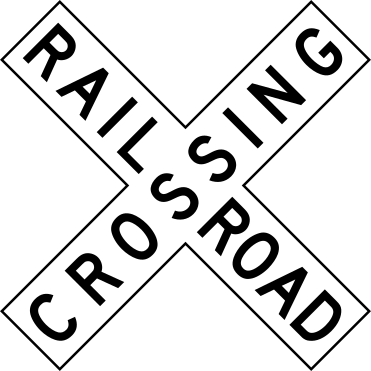
- Number of Tracks
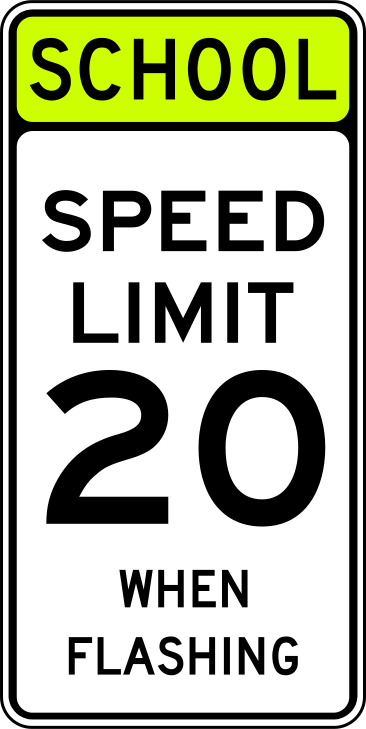
- School Speed Limit When Flashing
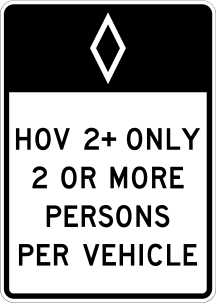
- HOV Lane
- Exempt

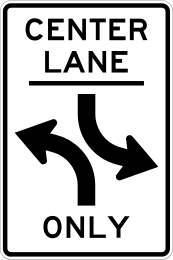
- Two-Way Left Turn Only
Warning signs
- Turn Ahead

- Stop Ahead

- Signal Ahead

- Pedestrian Crossing

- Curve

- Reverse Turn

- Reverse Curve

- Winding Road

- One-Direction Large Arrow

- Two-Direction Large Arrow

- Chevron Alignment

- Hairpin Curve

- Cross Road

- Side Road

- Roundabout Ahead

- Yield Ahead

- Be Prepared to Stop

- Reduced Speed Limit Ahead

- Merging Traffic

- Lane Ends

- Added Lane

- Lanes Merge

- Road Narrows

- Narrow Bridge

- One Lane Bridge

- Ramp Narrows

- Divided Highway Begins

- Divided Highway Ends

- Two-Way Traffic

- Hill / Steep Grade

- Bump

- Dip

- Pavement Ends

- Soft Shoulder

- Slippery When Wet

- Loose Gravel

- Rough Road

- Low Shoulder

- Uneven Lanes

- Grooved Pavement

- Metal Bridge Deck

- Railroad Crossing Ahead

- Bicycle Crossing

- Deer Crossing

- Cattle Crossing

- Farm Machinery

- Snowmobile Crossing

- Equestrian Crossing

- Persons with Disabilities

- Golf Cart Crossing

- Horse-Drawn Vehicle Crossing

- Low Clearance

- Advisory Speed

- Dead End

- No Outlet

- No Passing Zone

- Playground

- Speed Hump

- School

- Truck Rollover

- Bridge Ices Before Road

- Road May Flood

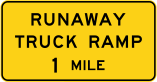
- Runaway Truck Ramp
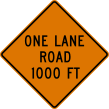
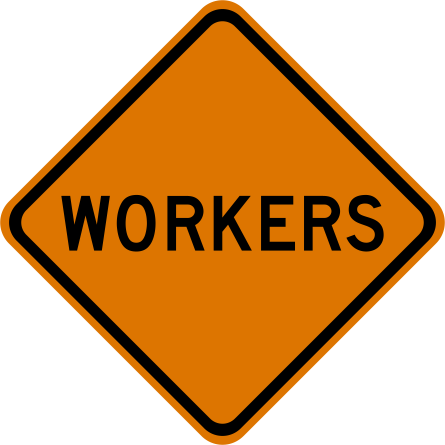
Construction & work-zone signs




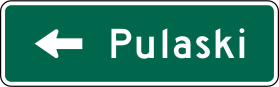
Guide signs


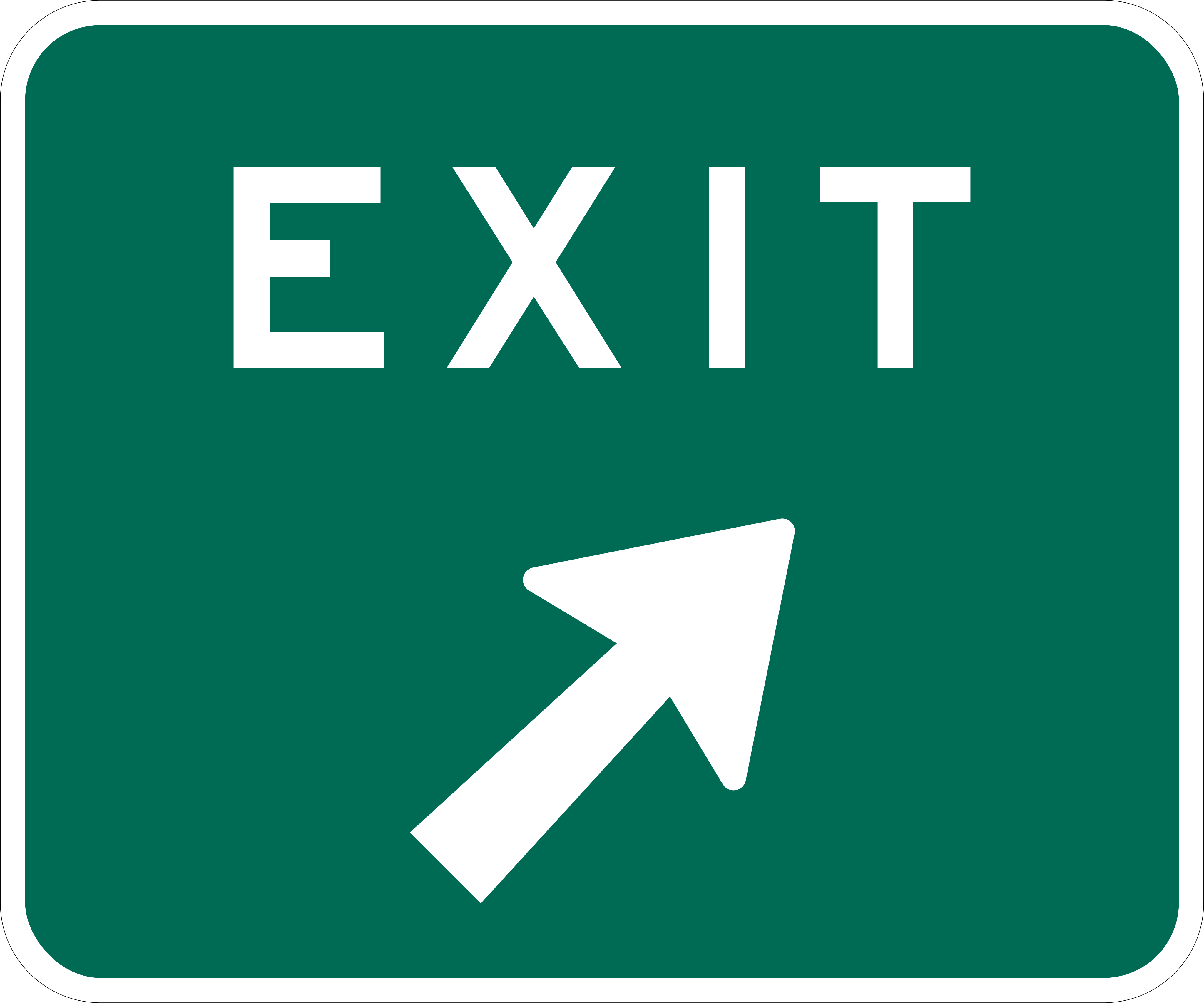


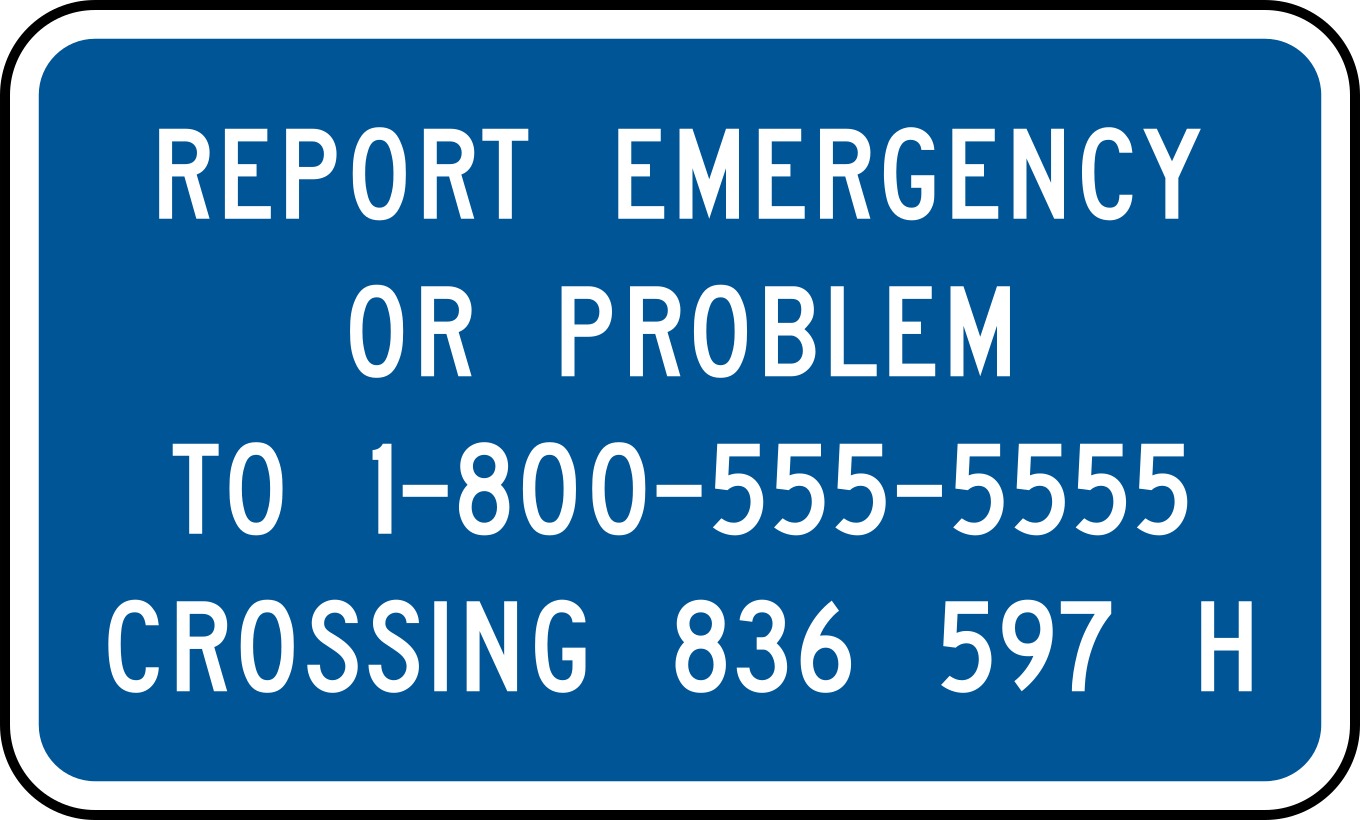
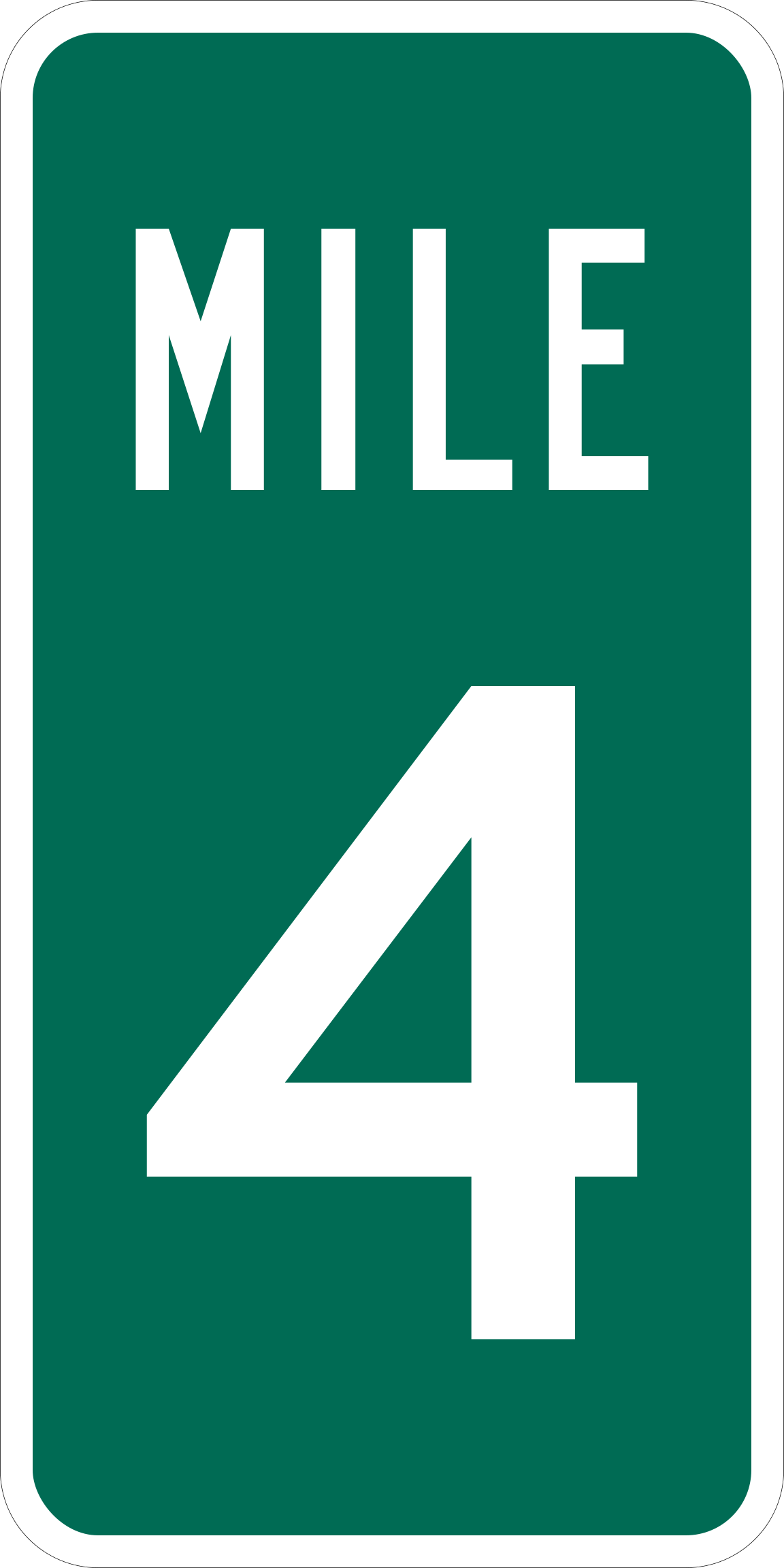
Service & information signs


Massachusetts road signs: frequently asked questions
What happens if I run out of time on the Massachusetts permit exam?
The attempt ends. The RMV's wording leaves no room in it: once you begin the exam the 25 minutes start, and you must complete it within the allotted time — there is no pausing and coming back, whether you are sitting at an automated testing station in a service center or taking it online. Within those 25 minutes you have to answer 18 of the 25 questions correctly, which is 72 percent, so seven wrong answers is the margin and an unanswered question spends part of it.
What do the pink and purple road signs in Massachusetts mean?
Fluorescent pink marks incident management signs — the temporary signs put out around a crash, a police action or another unplanned event that is changing how the road works right now. Purple marks electronic toll collection signs. Both sit at the end of the manual's color list after red, green, yellow, black and white, blue, brown, orange and fluorescent yellow-green, and both are worth learning specifically, because unlike a yellow diamond they give you almost no other clue about what they want.
Can I take the Massachusetts permit exam in another language, or have it read aloud?
Yes to both, for Class D and Class M permits. The RMV offers those exams in more than thirty languages at the automated testing stations in full service centers and in the online version, with one exception: the RMV says that because of the exam format, the American Sign Language Class D/M exams can only be taken at an RMV Service Center, and that anyone planning to take the ASL version should self-schedule a permit appointment no later than 2:30 p.m. at any RMV Service Center offering testing services. Audio exams read the questions and answers to you through headphones in any of the same languages, need no advance scheduling and no extra documentation, and keep the same 25-minute limit. Bring your own headphones — every testing station has a universal splitter for them. Class A, B and C learner's permit exams are English only.
Can I bring the driver's manual or my phone into the exam?
No, and the RMV applies the same rule online as in a service center. Driver's manuals and other reference materials are not allowed in the testing area. Neither are electronic devices of any kind, including electronic optical devices, whatever the reason for having them. Headphones are permitted only for an audio exam, and hats only for medical or religious reasons. Using any of it counts as cheating, and someone found responsible for cheating cannot hold any type of driver's license or permit for 60 days.
How are Massachusetts state highway routes signed?
Numbered state highway routes are posted on white rectangular signs with black letters and borders, while interstate highways use blue, red and white shields — so the shape and the color tell you which system you are on before you read the number. Both belong to the guide-sign category, which also holds green signs for highway directions and interchanges, blue signs for motorist services such as gas, food and lodging, and brown signs for public recreation areas, state and national parks, points of interest and scenic sites.
Official sources
- Massachusetts Driver's Manual
- Massachusetts RMV — apply for a passenger (Class D) learner's permit
- Massachusetts RMV — learner's permit knowledge test FAQs
Checked against official state sources on 2026-08-12.