Nebraska Road Signs and Their Meanings
Driver licensing in Nebraska runs through the Nebraska Department of Motor Vehicles, and the book it hands you is the Nebraska Driver's Manual — the Class O edition dated January 2025, a ninety-two-page PDF posted on dmv.nebraska.gov. It opens with a letter from Governor Jim Pillen that describes the roads the signs later have to warn you about: "In Nebraska, weather conditions change unexpectedly, paved roads give way to gravel, and speeds drop sharply when approaching town." What the book never does, front to back, is put a number on the exam. It does not say how many questions the Class O written test asks, and it never states a passing mark; the word "score" does not occur in it once. No page on dmv.nebraska.gov supplies either figure either. The one measurement the DMV does publish about its written test is an uncomfortable one, sitting in the tips list near the front of the manual: "Over 32% of first-time applicants fail the written test." So the honest starting point for a Nebraska candidate is that the size of the exam is private and the failure rate is not.
Nothing in Nebraska's rules sets aside part of the written test for signs, and there is no published breakdown for such a rule to sit inside. The manual's testing section offers scope instead of structure: "There is a separate written test for each class of license," and the material needed to pass the Class O test "can be found in this manual." Signs are unambiguously inside that scope — the section carrying them opens by calling them non-negotiable, "A thorough knowledge of traffic signs, signals and road markings is a must for all drivers." How many of them reach your screen is simply not stated. The DMV's own online practice examination shows why the question has no answer. That tool says outright that "The questions and answers used in this practice test come from the same pool of questions as the actual test administered at the DMV," and then hands the length of the session to you: a two-character box labeled "Number of questions to ask," whose placeholder reads "Leave blank for unlimited." An exam you size yourself cannot reveal the size of the real one, and Nebraska fills in that blank nowhere else.
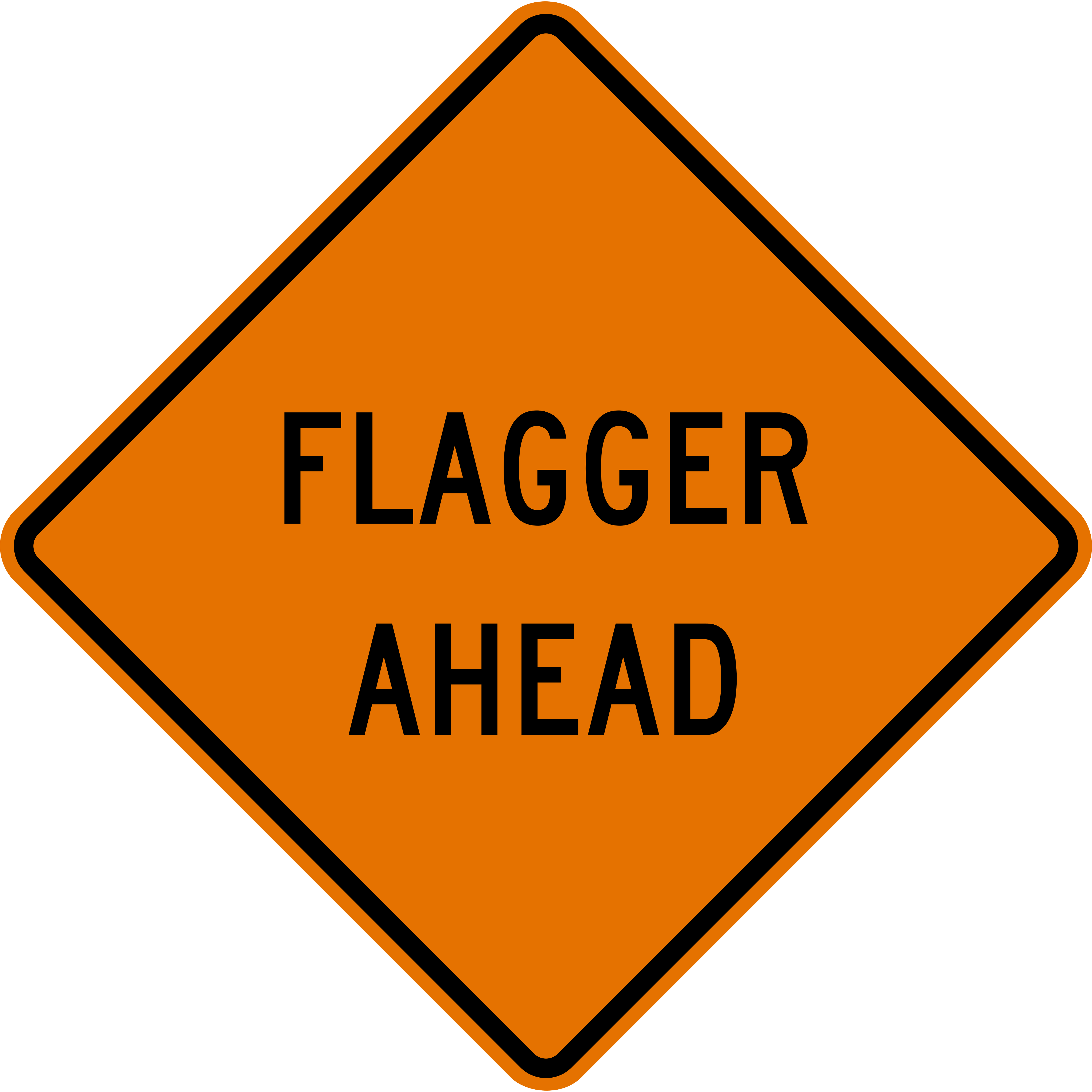
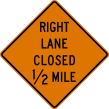
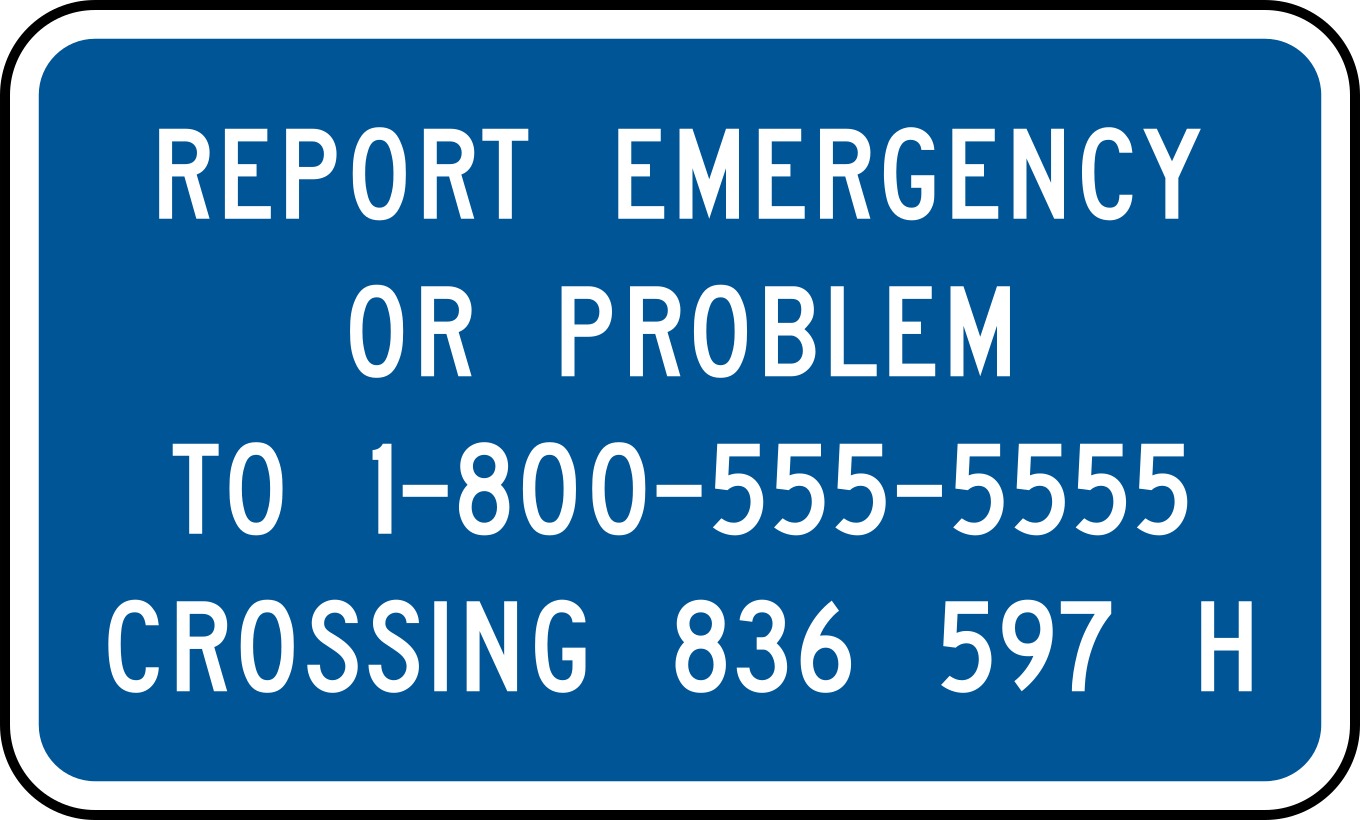
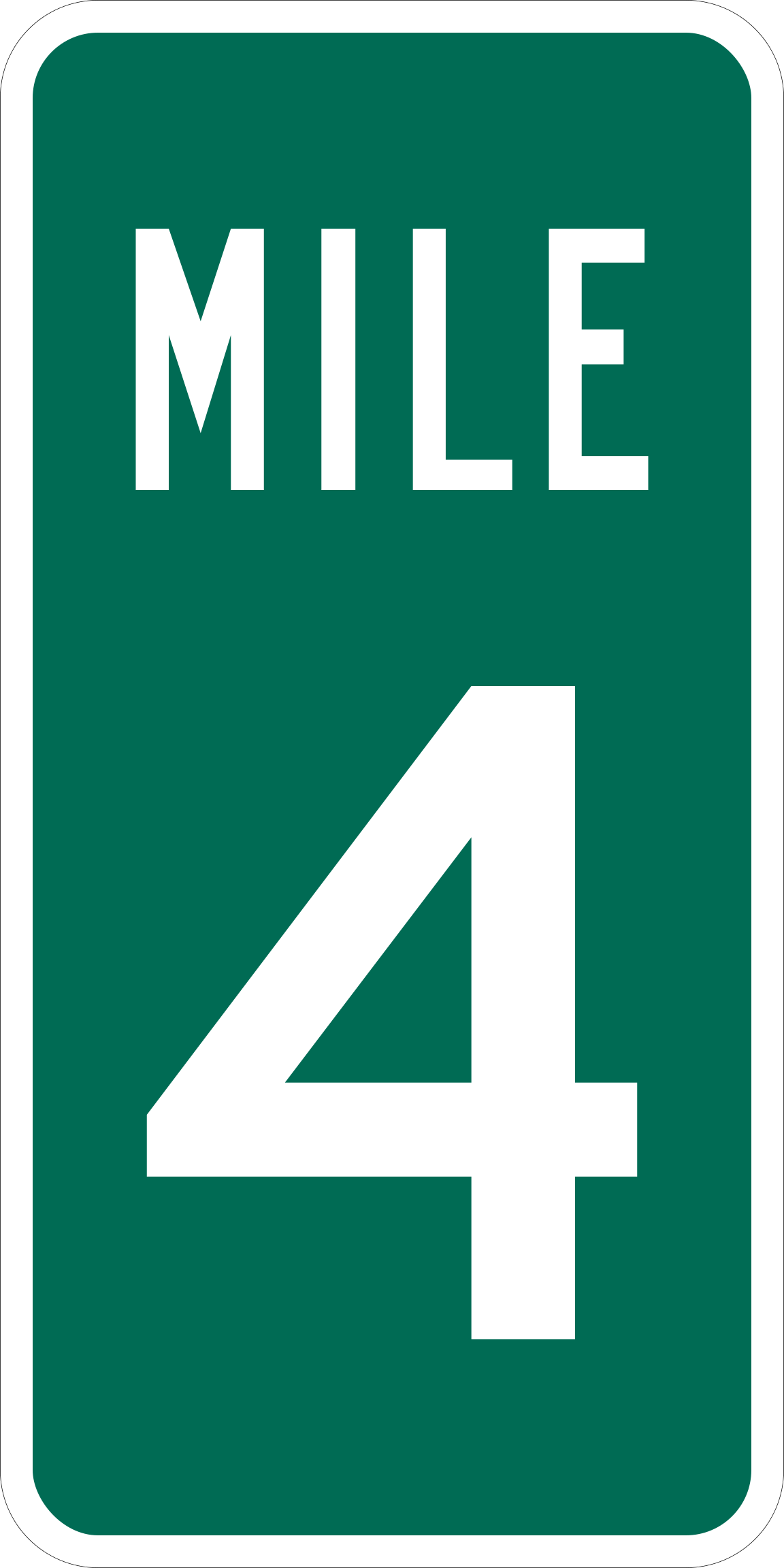
Where the manual repays a careful reader is its numbering. Signs sit in Section 3, Signs, Signals and Markings, under the heading 3B Traffic Signs, which runs from page 34 to page 43 between 3A Traffic Signals and 3C Pavement Markings. 3B is then cut into six labeled subsections — 3B-1 Sign Colors, 3B-2 Sign Shapes, 3B-3 Regulatory Signs, 3B-4 Warning Signs, 3B-5 Special Signs and 3B-6 Work Zone Devices — so a reader can be pointed at an exact heading instead of a chapter. 3B-1 is a color-to-meaning list, and a long one: red, yellow, yellow-green, pink, green, blue, white, orange and brown each get a line, with pink assigned to incident management and yellow-green reserved for warnings about pedestrians, bicycles, playgrounds, schools and school buses. 3B-2 does the same job for shape, and includes the rectangle rule that catches people out — "When vertical, signs are generally used to give instructions or tell you the law. When horizontal, signs give directions or information." Deeper in, 3B-5 gathers the outliers, among them the Reference Post Marker, which the manual places "on Nebraska highways in one mile increments to serve as a reference point for drivers to use when assistance is needed, or an emergency exists," and the slow-moving vehicle emblem required of anything traveling 25 MPH or less, farm equipment included. 3B-4 ends on a quiet-zone sign, No Train Horn, posted where trains do not sound the horn at all. 3B-6 boils work zones down to one memorable line: "Remember, black-on-orange signs identify work zones."
Every published Nebraska sign question here cites the manual and then one of those labeled subsections by name, so an explanation you disagree with can be checked against the exact heading it came from rather than against a whole chapter. The weight is not spread evenly across them. Most of the set gathers in the two subsections at the front of the traffic-signs material — the one mapping color to meaning and the one mapping shape to meaning — and the remainder reaches out into warning signs, special signs and work-zone devices. That skew belongs to Nebraska's book rather than to any preference of ours. Those opening subsections are written as rules in sentences, so they can be asked and answered in words alone, while much of what follows is a gallery of captioned pictures that needs the picture to make sense. Read the front of the traffic-signs material closely and the rest as a tour, and you will be studying the way the citations already point. Do not treat the thinner subsections as optional, though: the manual puts real obligations in them, and the questions do reach that far.
18 published Nebraska road-sign questions, each with an explanation and a citation to the handbook section it came from.
Content reviewed against official driver handbooks · August 12, 2026
Every sign you can be tested on in Nebraska
Regulatory signs
- Stop

- Yield

- Do Not Enter

- Wrong Way

- No U-Turn

- Speed Limit

- One Way

- All Way

- State Law: Yield to Pedestrians

- State Law: Stop for Pedestrians

- Truck Speed Limit

- Minimum Speed Limit

- Reduced Speed Limit Ahead

- Begin Higher Fines Zone

- End Higher Fines Zone

- No Right Turn

- No Left Turn

- No Turns

- Left Lane Must Turn Left

- Right Lane Must Turn Right

- Intersection Lane Control

- Bike Lane

- No Left or U-Turn

- No Straight Through

- Do Not Pass

- Pass With Care

- Slower Traffic Keep Right

- Begin Right Turn Lane — Yield to Bikes

- Trucks Use Right Lane

- Keep Right

- Keep Left

- Keep Right Except to Pass

- Do Not Drive on Shoulder

- No Trucks

- No Motor Vehicles

- No Bicycles

- No Pedestrians, Bicycles, or Motor-Driven Cycles

- No Parking Any Time

- Accessible Parking

- No Parking Bus Stop

- No Parking

- Stop Here on Red

- Do Not Block Intersection

- No Turn on Red

- Left Turn Yield on Green

- Road Closed

- Road Closed — Local Traffic Only

- Road Closed to Thru Traffic

- Weight Limit

- No Hazardous Materials

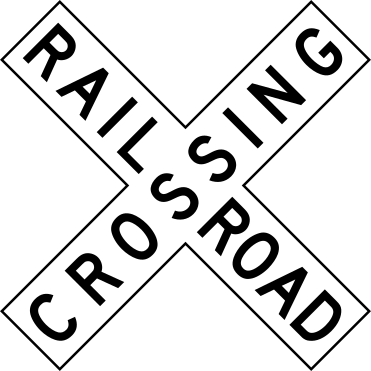
- Railroad Crossing (Crossbuck)
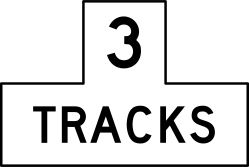
- Number of Tracks
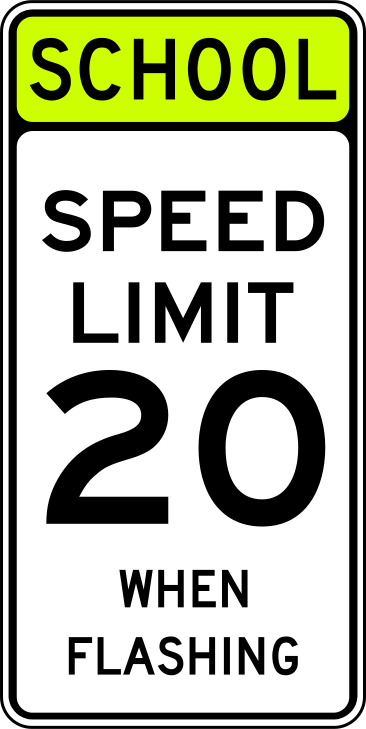
- School Speed Limit When Flashing
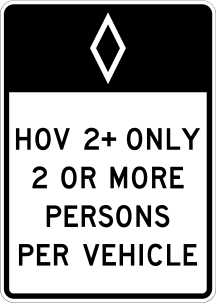
- HOV Lane
- Exempt

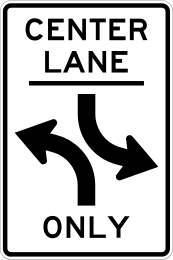
- Two-Way Left Turn Only
Warning signs
- Turn Ahead

- Stop Ahead

- Signal Ahead

- Pedestrian Crossing

- Curve

- Reverse Turn

- Reverse Curve

- Winding Road

- One-Direction Large Arrow

- Two-Direction Large Arrow

- Chevron Alignment

- Hairpin Curve

- Cross Road

- Side Road

- Roundabout Ahead

- Yield Ahead

- Be Prepared to Stop

- Reduced Speed Limit Ahead

- Merging Traffic

- Lane Ends

- Added Lane

- Lanes Merge

- Road Narrows

- Narrow Bridge

- One Lane Bridge

- Ramp Narrows

- Divided Highway Begins

- Divided Highway Ends

- Two-Way Traffic

- Hill / Steep Grade

- Bump

- Dip

- Pavement Ends

- Soft Shoulder

- Slippery When Wet

- Loose Gravel

- Rough Road

- Low Shoulder

- Uneven Lanes

- Grooved Pavement

- Metal Bridge Deck

- Railroad Crossing Ahead

- Bicycle Crossing

- Deer Crossing

- Cattle Crossing

- Farm Machinery

- Snowmobile Crossing

- Equestrian Crossing

- Persons with Disabilities

- Golf Cart Crossing

- Horse-Drawn Vehicle Crossing

- Low Clearance

- Advisory Speed

- Dead End

- No Outlet

- No Passing Zone

- Playground

- Speed Hump

- School

- Truck Rollover

- Bridge Ices Before Road

- Road May Flood

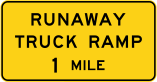
- Runaway Truck Ramp
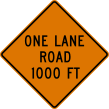
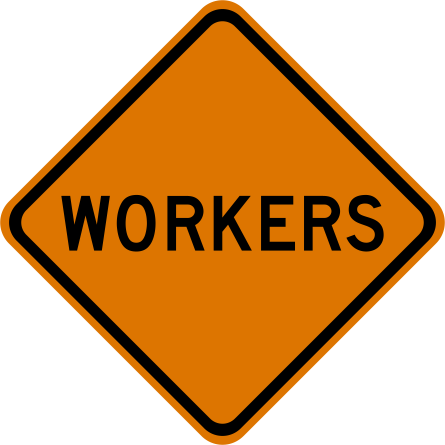
Construction & work-zone signs




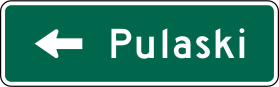
Guide signs


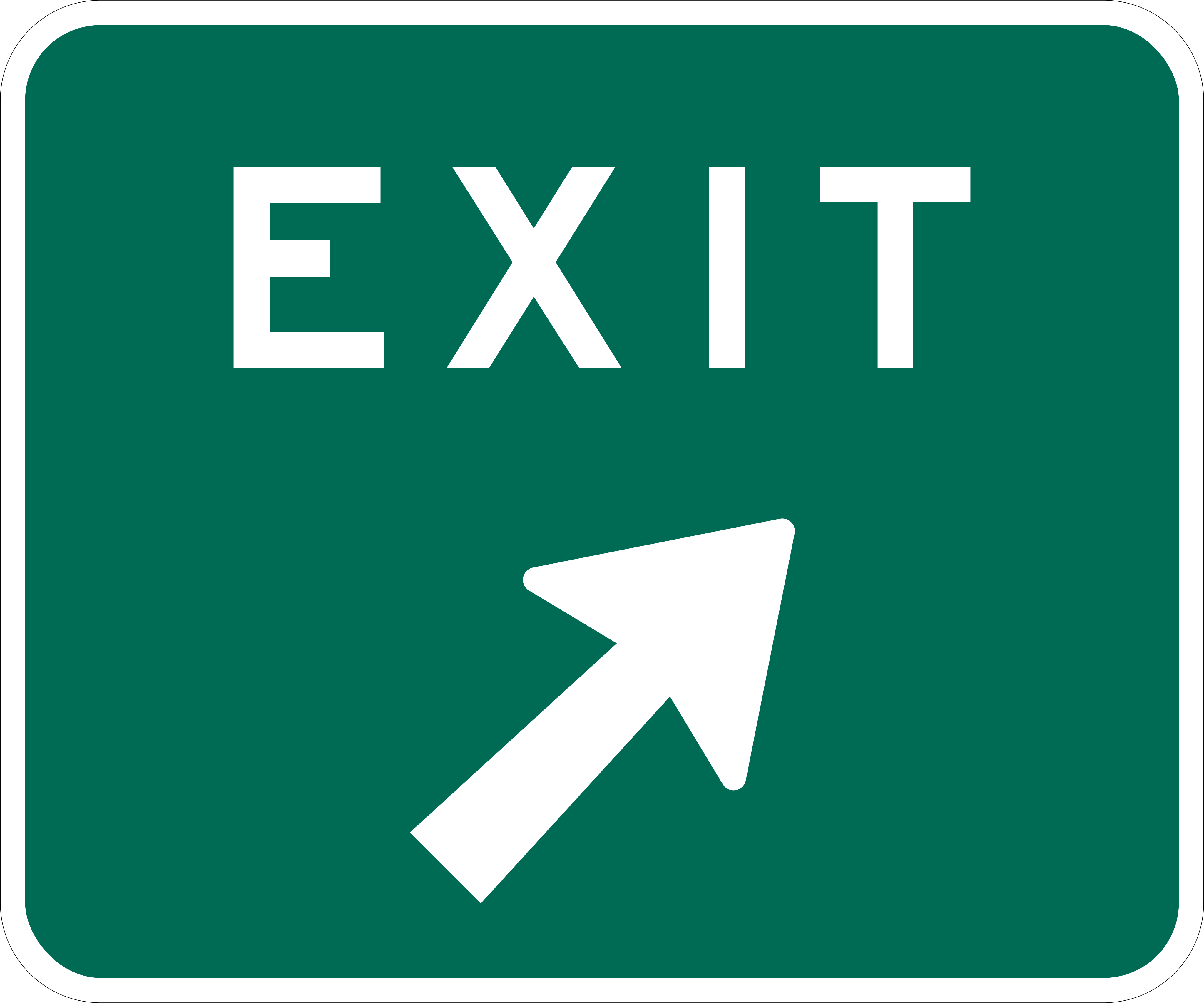


Service & information signs


Nebraska road signs: frequently asked questions
How many questions are on Nebraska's written test, and how many do I need right?
Nebraska publishes neither figure. There is no question count and no passing mark anywhere in the Nebraska Driver's Manual, and none on dmv.nebraska.gov. This site models the Class O exam at 25 questions with 20 correct to pass, and that is exactly what it is — our working assumption for building practice sessions of a sensible length, not a number the state has stated and not something to plan around as if it were. What the DMV does publish is the outcome rather than the format: its own tips list warns that "Over 32% of first-time applicants fail the written test." Treat the whole manual as testable and the missing count stops mattering.
If I fail Nebraska's written test, when can I take it again?
Not the same day. The manual's test-failure section is blunt about it: "Any test failed may not be retaken the same day." You will be given a Return for Services form explaining why the document you applied for was denied, and the manual asks you to bring that form back with you. The hard cap in that section applies to the drive test rather than the written one — an applicant for a Class O or Class M license who fails three successive drive tests cannot reapply until they either show proof of completing a DMV-approved driver training course or have held a Learner's Permit for at least 90 days. Once you do pass, the Issuance Certificate has to reach a county treasurer, or a state driver licensing office in Douglas, Lancaster or Sarpy County, within 90 days.
Does Nebraska publish an official practice test?
Two of them, and they behave differently. The DMV's online practice examination, hosted on nebraska.gov, states that "The questions and answers used in this practice test come from the same pool of questions as the actual test administered at the DMV"; you decide how many items it serves, it picks them at random, and after each one it links you back into the Nebraska Driver's Manual. The second is printed in the back of the manual itself, supplied by AAA Nebraska and the Cornhusker Motor Club Foundation with the cooperation of the Nebraska DMV, and it carries the opposite warning: "The questions in the practice exam are different than those asked on the actual test." Every item there ends with the manual page holding its answer, and two of them are sign questions — one asking what orange means, one asking what a triangle requires — pointing at the sign-colors and sign-shapes pages respectively.
Can I study for Nebraska's test in Spanish, or by listening?
Both, with one caveat on the audio. The DMV's manuals page links a Spanish Driver's Manual for cars beside the English one, and a separate page carries the manual read aloud, with the traffic-signs material split across two recordings. Those recordings are of the 2019 edition while the current PDF is dated January 2025, and the DMV states the tie-breaker plainly: "If there is an inconsistency with the audio version the PDF is correct." Use the audio to move through the material and the current PDF to settle anything specific. What neither page tells you is which languages the knowledge test itself is administered in, so ask the driver licensing office you plan to visit.
How young can someone in Nebraska sit a written test?
Younger than most people expect, because Nebraska builds its permits around farms and school distance. The Learner's Permit (LPD) has a minimum age of 15 — you may apply 60 days early, but it cannot be issued before the birthday itself — and calls for vision and written tests, with the written one waived if you already hold an LPE, SCP or LPD that is valid or has been expired no more than a year. The School Learner's Permit (LPE) opens at 14 for someone eligible for a School Permit, which in turn requires living outside a city of 5,000 or more, or attending school outside one. Earliest of all is the Farm Husbandry Permit: 13 if you live on a farm, 14 if you are employed on one for compensation. It requires a tractor written test, which a county extension course completion certificate will waive.
Official sources
- Nebraska Driver's Manual — Class O, January 2025 (Nebraska DMV)
- Nebraska DMV — Driver's Manuals (English, Spanish and audio editions)
- Nebraska DMV — Online Practice Drivers Examination
- Nebraska Driver's Manual — Audio Version (Nebraska DMV)
- Nebraska DMV — Learner's Permit (LPD)
Checked against official state sources on 2026-08-29.