New Mexico Road Signs and Their Meanings
In New Mexico the driver's license is administered by the state's revenue authority. The Motor Vehicle Division belongs to the New Mexico Taxation and Revenue Department, so the examiner who signs off on your knowledge exam works for the department that runs tax administration, and the building you walk into is an MVD Field Office rather than anything called a DMV. That department does publish a pass mark, and it is worth knowing exactly where the number lives. Section E of Chapter 11 of the MVD's Driver Procedures Manual — the internal rulebook field offices work from — states: "All class D and M written test scores must be 70% or better to pass." Class D is New Mexico's ordinary non-commercial car license, defined in Chapter 2 as authorizing any single vehicle under 26,001 pounds. What no MVD document states is what that percentage is taken out of. The New Mexico Driver Manual never uses the word "question" anywhere in the book, and no MVD testing page supplies a total either. The twenty-question length this site uses to size a New Mexico practice run is our own working figure, picked so the 70% comes out whole. The threshold is New Mexico's; the count is ours, and the two should not be read as one claim.
None of that 70% is set aside for signs. The written-test section of Chapter 11 states the threshold and then moves directly to who has to test at all — expired licenses, out-of-country licenses, revocations, point suspensions — without carving out a sign portion, a sign minimum, or a second exercise in identifying signs from pictures. Chapter 2, which governs the non-commercial license from application to renewal, adds no such rule either. A missed sign therefore costs exactly what a missed right-of-way rule costs, and no subject on the exam can be traded against another. What the state does commit to is the standing of signs as law rather than advice. The driver manual defines the category before it describes any member of it — "Traffic control devices include traffic signals, signs and pavement markings" — and notes in the same breath that traffic control can also come from law enforcement, highway personnel or school crossing guards, whose directions you must obey. Then it hands you the reading method: "Traffic signs tell you about traffic rules, hazards, where you are, how to get where you are going and where services are located. The shape and color of these signs give clues to the type of information they provide." That is the sum of New Mexico's published guidance on how heavily signs are tested. Anyone quoting you a sign quota for this state is quoting something the MVD has not written down.
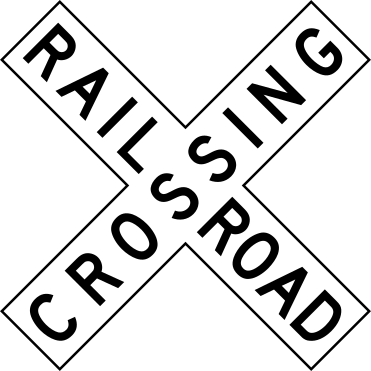
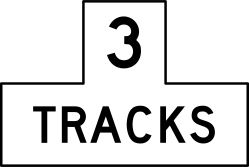
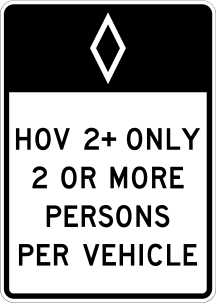
The book is the New Mexico Driver Manual, published by the MVD and served from the Taxation and Revenue Department's own file host. Signs do not get a chapter in it; they get a subsection. The table of contents runs RULES OF THE ROAD, then TRAFFIC CONTROL DEVICES, and under that heading three entries in sequence — Traffic Signals on page 3, Traffic Signs on page 4, Pavement Markings on page 8. Everything the manual has to say about signs happens in those pages between the signals and the markings. Inside them the running order is the manual's own. Warning signs lead, not the regulatory ones: yellow, mostly diamond-shaped, and there to "warn you to slow down and be prepared to stop if necessary." Railroad crossing warning signs follow, and that is where the writing gets most specific — the round yellow advance sign carrying an X symbol and black RR letters, the crossbuck at the crossing itself, which the manual says "has the same meaning as a 'Yield' sign," the side-by-side lights that flash alternately, the gate you must not drive around, and the sign posting how many tracks are ahead. Work area signs come next, then regulatory signs with their examples in a row: speed limit, lane use control, no passing, stop, yield, do not enter, and the slow-moving vehicle emblem, filed among the regulatory signs even though it rides on the back of a tractor rather than standing at the roadside. Guide signs are never introduced as a family the way the others are; the manual simply announces "Common types of Guide Signs are:" and lists destination, service and route number signs. A few sign meanings also live outside the subsection altogether — the white diamond marking a reserved lane, the parking bans measured in feet from a stop or yield sign, and the animal crossing signs the wildlife pages describe as a warning "that vehicles have hit wildlife in this area before."
Every published New Mexico sign question here carries the same citation, and it is identical on all of them: the New Mexico Driver Manual, then Traffic Signs. Not a family heading, not a page, not a bullet — the subsection heading, unvaried, right across the set. That flatness is not a shortcut in our records; it reflects the level at which New Mexico files the material. The manual does have interior headings — warning, railroad crossing, work area, regulatory, guide — but they sit below where the citation reaches, so a citation here tells you which stretch of the book to open rather than which paragraph to reread. Read that as an instruction about method. A citation pointing at a whole subsection is only useful if the subsection is short enough to take in whole, and this one is: it begins where the traffic signals material ends, runs through the sign families in the manual's own sequence, and stops at the pavement markings. Work it from the first heading to the last and you have covered the source of everything on this page. Hunting for a particular sign in isolation is the approach New Mexico's own filing makes hardest.
14 published New Mexico road-sign questions, each with an explanation and a citation to the handbook section it came from.
Content reviewed against official driver handbooks · August 12, 2026
Every sign you can be tested on in New Mexico
Regulatory signs
- Stop

- Yield

- Do Not Enter

- Wrong Way

- No U-Turn

- Speed Limit

- One Way

- All Way

- State Law: Yield to Pedestrians

- State Law: Stop for Pedestrians

- Truck Speed Limit

- Minimum Speed Limit

- Reduced Speed Limit Ahead

- Begin Higher Fines Zone

- End Higher Fines Zone

- No Right Turn

- No Left Turn

- No Turns

- Left Lane Must Turn Left

- Right Lane Must Turn Right

- Intersection Lane Control

- Bike Lane

- No Left or U-Turn

- No Straight Through

- Do Not Pass

- Pass With Care

- Slower Traffic Keep Right

- Begin Right Turn Lane — Yield to Bikes

- Trucks Use Right Lane

- Keep Right

- Keep Left

- Keep Right Except to Pass

- Do Not Drive on Shoulder

- No Trucks

- No Motor Vehicles

- No Bicycles

- No Pedestrians, Bicycles, or Motor-Driven Cycles

- No Parking Any Time

- Accessible Parking

- No Parking Bus Stop

- No Parking

- Stop Here on Red

- Do Not Block Intersection

- No Turn on Red

- Left Turn Yield on Green

- Road Closed

- Road Closed — Local Traffic Only

- Road Closed to Thru Traffic

- Weight Limit

- No Hazardous Materials

- Railroad Crossing (Crossbuck)
- Number of Tracks
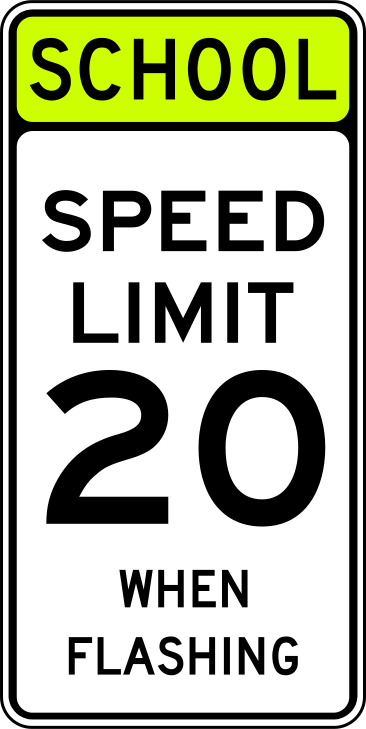
- School Speed Limit When Flashing
- HOV Lane
- Exempt

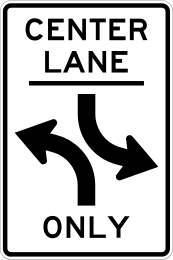
- Two-Way Left Turn Only
Warning signs
- Turn Ahead

- Stop Ahead

- Signal Ahead

- Pedestrian Crossing

- Curve

- Reverse Turn

- Reverse Curve

- Winding Road

- One-Direction Large Arrow

- Two-Direction Large Arrow

- Chevron Alignment

- Hairpin Curve

- Cross Road

- Side Road

- Roundabout Ahead

- Yield Ahead

- Be Prepared to Stop

- Reduced Speed Limit Ahead

- Merging Traffic

- Lane Ends

- Added Lane

- Lanes Merge

- Road Narrows

- Narrow Bridge

- One Lane Bridge

- Ramp Narrows

- Divided Highway Begins

- Divided Highway Ends

- Two-Way Traffic

- Hill / Steep Grade

- Bump

- Dip

- Pavement Ends

- Soft Shoulder

- Slippery When Wet

- Loose Gravel

- Rough Road

- Low Shoulder

- Uneven Lanes

- Grooved Pavement

- Metal Bridge Deck

- Railroad Crossing Ahead

- Bicycle Crossing

- Deer Crossing

- Cattle Crossing

- Farm Machinery

- Snowmobile Crossing

- Equestrian Crossing

- Persons with Disabilities

- Golf Cart Crossing

- Horse-Drawn Vehicle Crossing

- Low Clearance

- Advisory Speed

- Dead End

- No Outlet

- No Passing Zone

- Playground

- Speed Hump

- School

- Truck Rollover

- Bridge Ices Before Road

- Road May Flood

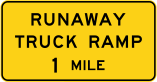
- Runaway Truck Ramp
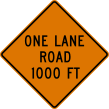
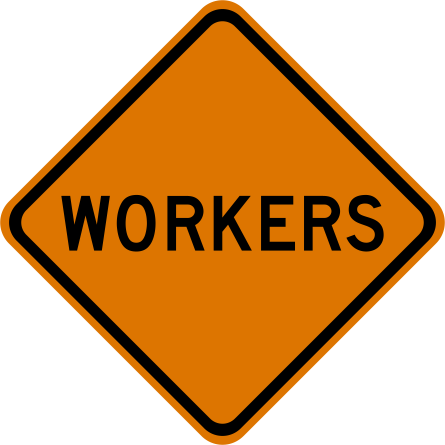
Construction & work-zone signs




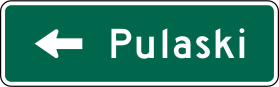
Guide signs


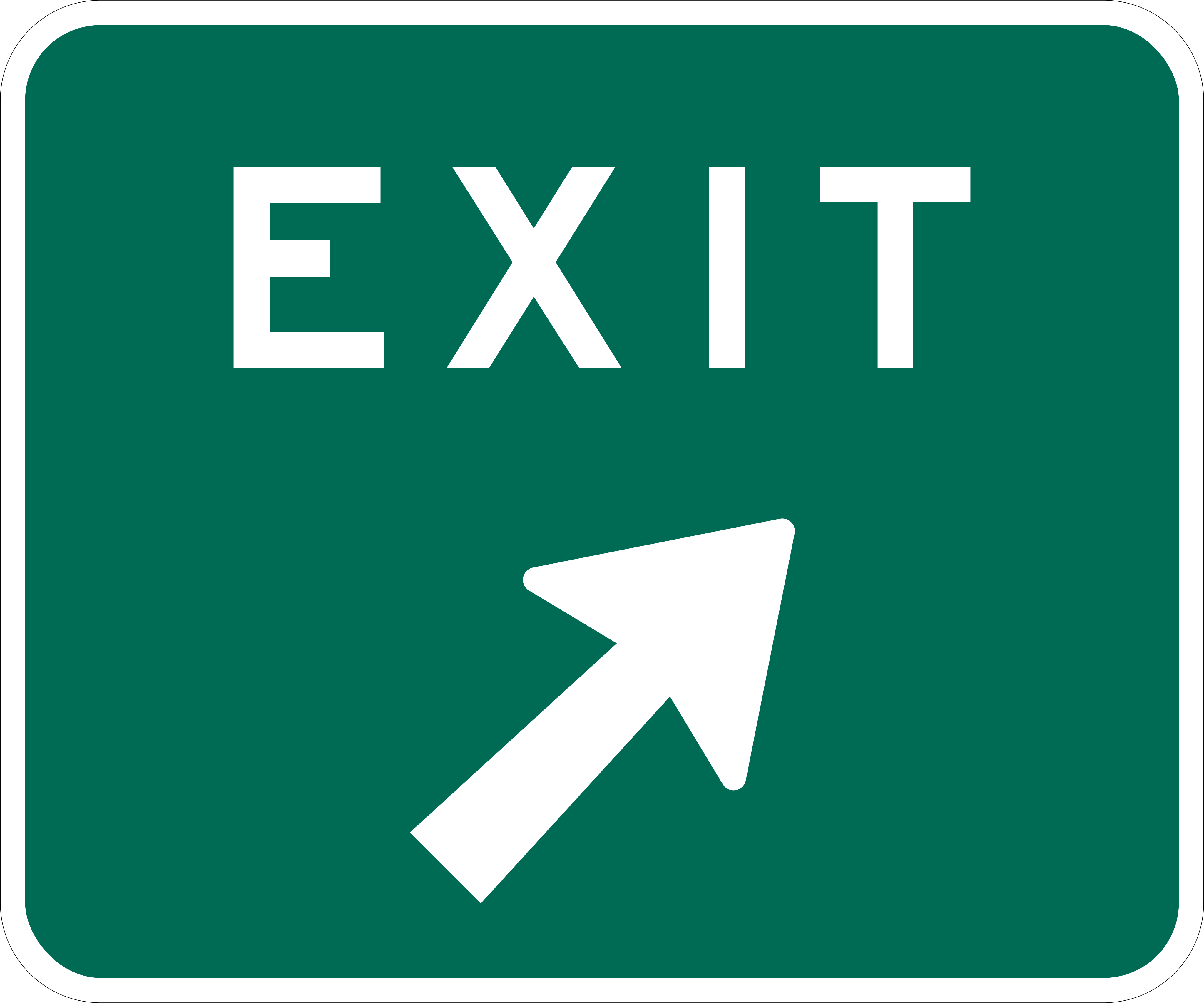


Service & information signs


New Mexico road signs: frequently asked questions
How many of New Mexico's written-test questions put a road sign in front of me?
The MVD does not publish that, and it does not publish a total for the percentage to be taken out of either. What it publishes is the threshold — "All class D and M written test scores must be 70% or better to pass," from Section E of Chapter 11 of the Driver Procedures Manual — with nothing beside it about subject mix. The New Mexico Driver Manual is quieter still: it names the knowledge test once, in the instructional-permit paragraph, and never says how long the test runs, what it draws on, or how it is weighted. So the question count shown for New Mexico on this site is a model we use to size a practice session, not an MVD figure, while the 70% is the MVD's own number. There is no separate sign score to clear, which cuts both ways: no single sign question can end an attempt by itself, and no quantity of them is safe to skip.
Can I take the New Mexico knowledge exam in Spanish?
Yes, and the MVD says so in a list rather than a promise. Chapter 11 of the Driver Procedures Manual states that "Knowledge exams are available in English, Spanish, Tagalog, Italian, German, French, Vietnamese, and Chinese," and adds that "Currently, there are no plans to add additional languages." That is a commitment about the exam, not about the study material, and the two are separate questions — the car manual in the source list below is the MVD's English edition. Ask your field office what it can put in front of you before you plan around a translation. This practice set is written in Spanish and English side by side for the reason a sign is worth learning twice over: recognizing a shape you cannot name is not the same as knowing what it requires you to do.
If I fail the New Mexico written test, how soon can I retake it?
Immediately, inside a weekly cap. Chapter 2 of the Driver Procedures Manual states that an applicant who fails the non-commercial written or knowledge test "may retake the test as soon as they want to, even the same day, but may not take the test more than twice in a single week." Fail three times and the door shuts for a while: the same chapter, citing §66-5-9(A), requires a six-month wait from the date of application before further retesting. The road test is handled on a different rule — Chapter 11 tells examiners that an applicant who fails it cannot re-examine on the same day and must wait at least one week — so do not carry the written-test allowance over to the driving one.
I already hold a license from another state. Do I have to take the written test again?
Not while it is current. The MVD's Apply for a New Driving Credential page says the written test is "not required if you have a current out-of-state driver license," and Chapter 11 puts the trigger at licenses expired over five years, which then bring the road test back as well. An out-of-country license is the opposite case: those applicants must pass the written test to be licensed in New Mexico, and the MVD instructs its agents to treat the District of Columbia and U.S. territories, including Puerto Rico, Guam, the U.S. Virgin Islands and American Samoa, as out-of-state rather than out-of-country. One caution about the expiry trigger — the MVD's own Driver's Licenses / IDs page words it as one year for the written test while the apply page and Chapter 11 both say five, so if your license has lapsed, settle it with a field office rather than with either page alone.
Is the New Mexico written test timed?
No duration is published for it anywhere in the Driver Procedures Manual, but there is a scheduling practice that behaves a little like a clock. Both MVD testing pages carry the same sentence: "State offices typically do not allow the written test to be taken after 3pm to ensure the applicant has sufficient time to complete the test." That governs when you may start, not how long you may take once you have started, and the difference matters if you were planning to walk in late in the afternoon. Treat it as a reason to arrive with the day still ahead of you rather than as a limit to race against.
Where does the knowledge test sit in New Mexico's graduated licensing system?
Right at the front of it. The driver manual states that to obtain an instructional permit you must be at least 15 years of age and pass the knowledge test and the vision test, and a person 15 or older must also be enrolled in and attending an approved driver education course. The permit is then held for at least six months, over which the MVD expects 50 hours of supervised driving practice including 10 at night, before a provisional license becomes possible at 15½ — and that stage is judged on the road, not on paper. The provisional license is held for at least 12 months and carries a midnight-to-5 a.m. driving restriction plus a limit of one passenger under 21 who is not an immediate family member, unless a licensed driver 21 or older is in the vehicle. The MVD prices the first two stages at $10.00 for the instructional permit and $18.00 for the provisional license.
Official sources
- New Mexico Driver Manual (Taxation and Revenue Department, Motor Vehicle Division)
- New Mexico MVD Driver Procedures Manual — Chapter 11: Road and Written Test Requirements
- New Mexico MVD Driver Procedures Manual — Chapter 2: Non-Commercial License
- New Mexico MVD — Apply for a New Driving Credential
- New Mexico MVD — Driver's Licenses / IDs
- New Mexico MVD — Apply for a Learner's Permit
Checked against official state sources on 2026-08-29.