Colorado Road Signs and Their Meanings
Colorado will let you sit the knowledge test at your own kitchen table, and it will watch you while you do it. The @Home Driving Knowledge Test runs on a desktop or laptop with a front-facing camera, and the camera is not optional — the DMV's page says why in four words: "This helps us ensure the integrity of the tests results." A photo is captured before the test can begin, more are captured at random while it runs, and at your follow-up appointment a licensing technician compares those images with the person standing at the counter. You get sixty minutes. You may sit it twice in one day and as many times overall as you need. Passing it finishes nothing on its own: you still book an appointment at a state driver license office and bring the certificate of completion, on paper or on a screen.
Nothing in Colorado reserves a share of that test for signs. The handbook's whole description of what the questions cover is one sentence — "The test questions cover the contents of this handbook including road signs, driving under the influence, driving rules, safety rules and legal items" — which names road signs first in a list of five subjects and attaches no proportion to any of them. What Colorado leaves out is more unusual than what it puts in. Neither the handbook nor dmv.colorado.gov states how many questions the test holds or what score passes it. The @Home page is where the state is most forthcoming about this exam — it prices it, times it, caps you at two sittings a day and explains its own anti-fraud photography — and even there, no question count and no pass mark appear. Where a practice paper needs a length in order to exist, this one borrows a plausible shape — twenty-five questions, twenty of them right — and the borrowing is ours rather than Colorado's. Treat every sign as reachable, because nothing in the published record narrows the field for you.
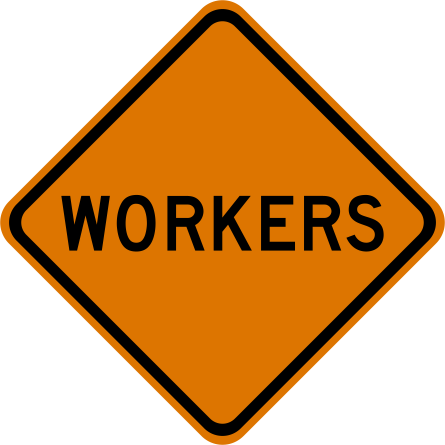
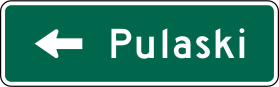
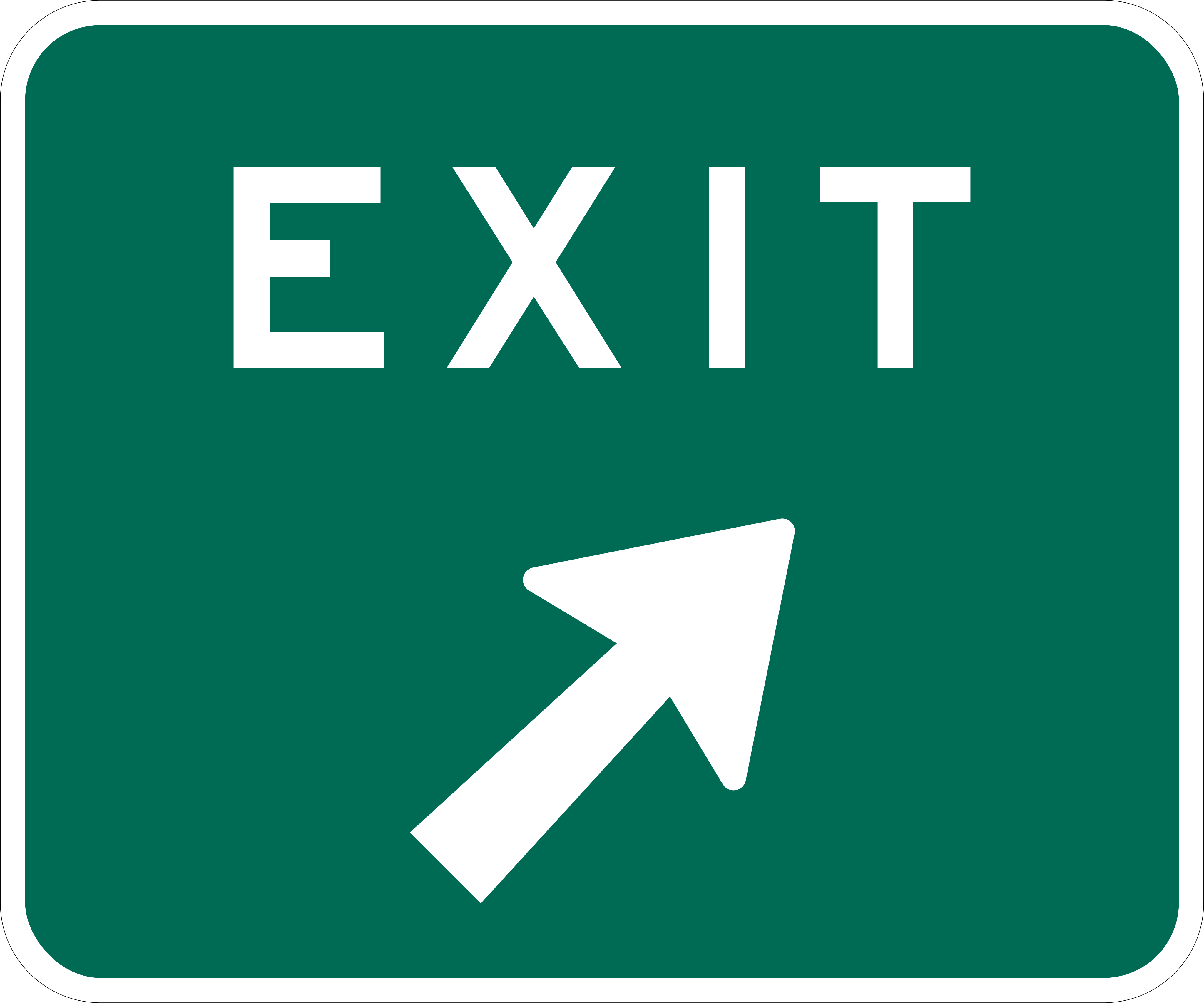
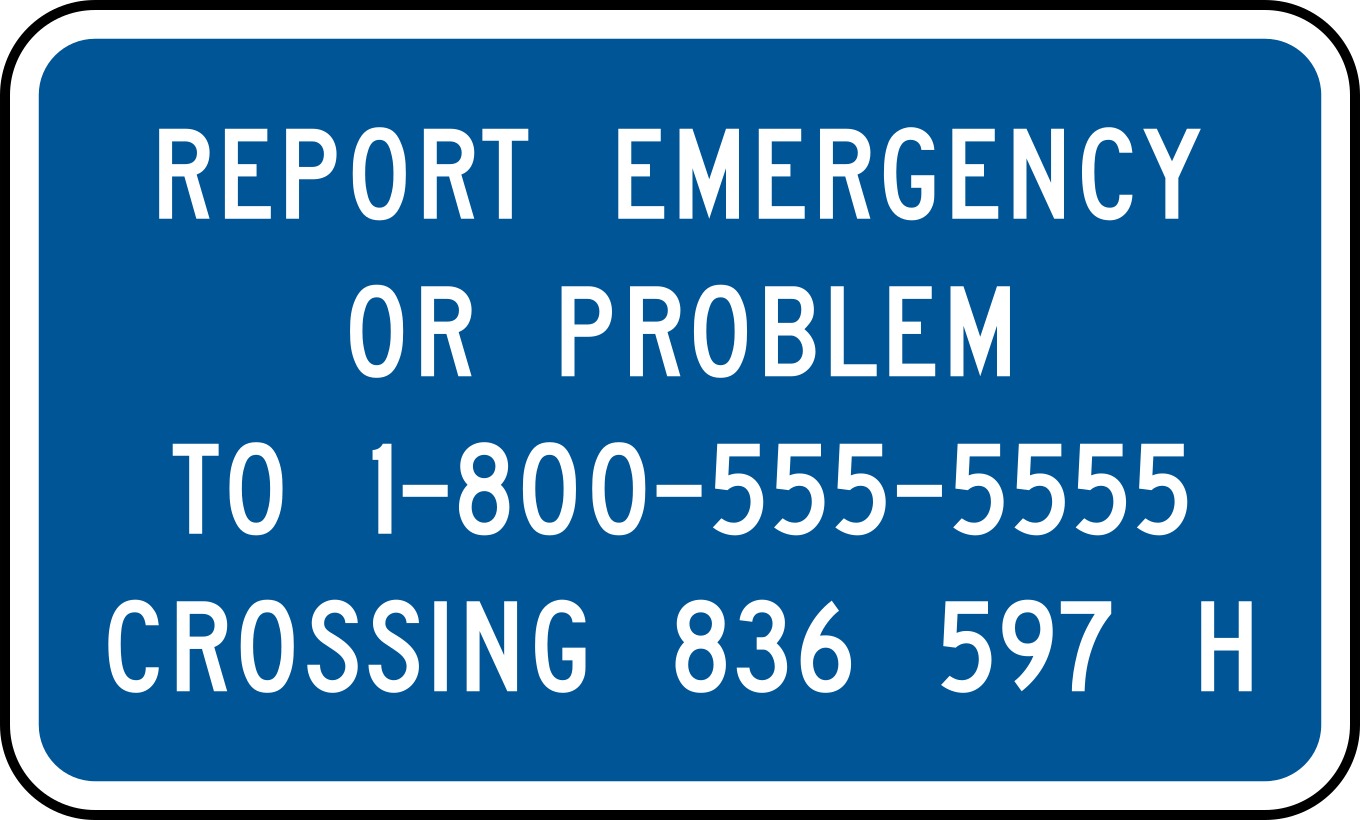
The book is the Colorado Driver Handbook, stamped DR 2337 (12/05/24) in its own footer. It has no chapters — the contents are a flat list of capitalised headings — and signs sit under TRAFFIC CONTROLS, between TRAFFIC SIGNALS and PAVEMENT MARKINGS. TRAFFIC SIGNS starts on page seven; PAVEMENT MARKINGS starts on page nine. A note just before them explains how the pictures are laid out: "Visual representations of traffic signals and road signs are grouped together by relevance on pages 7, 8 and 9." Inside that short run the handbook works through a long list of named types — regulatory, speed limit, stop, yield, Do Not Enter/Wrong Way, One Way, lane control, prohibited, warning, advisory speed, railroad crossings, railroad emergency notification, work zone, guide, service/recreation, route markers — and then does something few driver handbooks bother with: it gives bicycles three separate entries. Bicycle and pedestrian crossing signs, the three-foot passing sign and Bicycle May Use Full Lane signs each get their own paragraph, and the slow-moving vehicle marker and disabled parking signs close the section out.
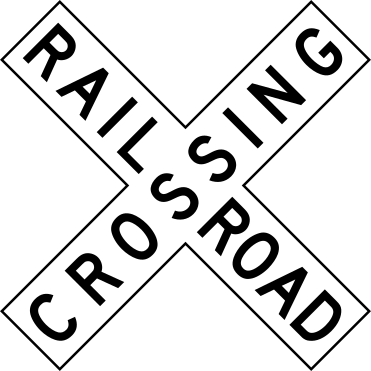
One question in this Colorado set is about a sign whose rule holds whether or not the sign is there. The handbook's entry for the marker that demands three feet of clearance for a bicyclist — white background, black letters and symbols — closes by saying that a motorist passing or overtaking a bicyclist must leave that clearance "on all roadways even if a sign is not posted." Recognizing the sign is the easy half; the point worth carrying away is that this marker records a duty rather than creating one, so its absence changes nothing about what you owe the rider in front of you. The rest of the set stays inside the traffic-signs pages except where it reaches the railroad material, and that reach is fair: Colorado covers railroad crossings twice, once as entries in the sign list and again as a section of its own much later in the book. Whichever of the two you read first, read the other as well.
14 published Colorado road-sign questions, each with an explanation and a citation to the handbook section it came from.
Content reviewed against official driver handbooks · August 12, 2026
Every sign you can be tested on in Colorado
Regulatory signs
- Stop

- Yield

- Do Not Enter

- Wrong Way

- No U-Turn

- Speed Limit

- One Way

- All Way

- State Law: Yield to Pedestrians

- State Law: Stop for Pedestrians

- Truck Speed Limit

- Minimum Speed Limit

- Reduced Speed Limit Ahead

- Begin Higher Fines Zone

- End Higher Fines Zone

- No Right Turn

- No Left Turn

- No Turns

- Left Lane Must Turn Left

- Right Lane Must Turn Right

- Intersection Lane Control

- Bike Lane

- No Left or U-Turn

- No Straight Through

- Do Not Pass

- Pass With Care

- Slower Traffic Keep Right

- Begin Right Turn Lane — Yield to Bikes

- Trucks Use Right Lane

- Keep Right

- Keep Left

- Keep Right Except to Pass

- Do Not Drive on Shoulder

- No Trucks

- No Motor Vehicles

- No Bicycles

- No Pedestrians, Bicycles, or Motor-Driven Cycles

- No Parking Any Time

- Accessible Parking

- No Parking Bus Stop

- No Parking

- Stop Here on Red

- Do Not Block Intersection

- No Turn on Red

- Left Turn Yield on Green

- Road Closed

- Road Closed — Local Traffic Only

- Road Closed to Thru Traffic

- Weight Limit

- No Hazardous Materials

- Railroad Crossing (Crossbuck)
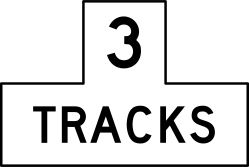
- Number of Tracks
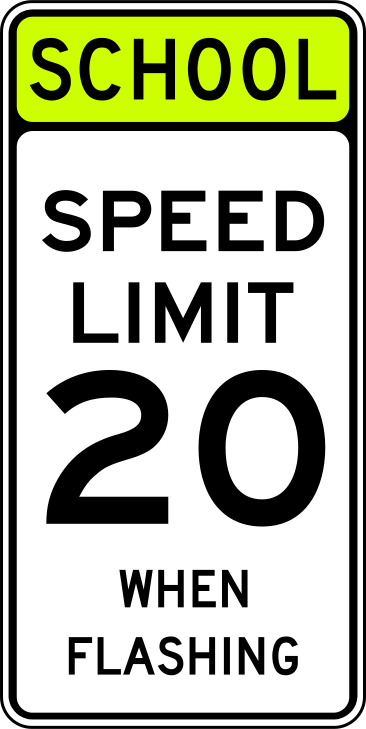
- School Speed Limit When Flashing
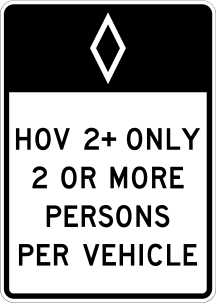
- HOV Lane
- Exempt

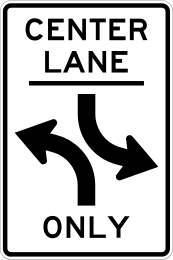
- Two-Way Left Turn Only
Warning signs
- Turn Ahead

- Stop Ahead

- Signal Ahead

- Pedestrian Crossing

- Curve

- Reverse Turn

- Reverse Curve

- Winding Road

- One-Direction Large Arrow

- Two-Direction Large Arrow

- Chevron Alignment

- Hairpin Curve

- Cross Road

- Side Road

- Roundabout Ahead

- Yield Ahead

- Be Prepared to Stop

- Reduced Speed Limit Ahead

- Merging Traffic

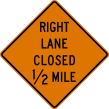
- Lane Ends

- Added Lane

- Lanes Merge

- Road Narrows

- Narrow Bridge

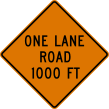
- One Lane Bridge

- Ramp Narrows

- Divided Highway Begins

- Divided Highway Ends

- Two-Way Traffic

- Hill / Steep Grade

- Bump

- Dip

- Pavement Ends

- Soft Shoulder

- Slippery When Wet

- Loose Gravel

- Rough Road

- Low Shoulder

- Uneven Lanes

- Grooved Pavement

- Metal Bridge Deck

- Railroad Crossing Ahead

- Bicycle Crossing

- Deer Crossing

- Cattle Crossing

- Farm Machinery

- Snowmobile Crossing

- Equestrian Crossing

- Persons with Disabilities

- Golf Cart Crossing

- Horse-Drawn Vehicle Crossing

- Low Clearance

- Advisory Speed

- Dead End

- No Outlet

- No Passing Zone

- Playground

- Speed Hump

- School

- Truck Rollover

- Bridge Ices Before Road

- Road May Flood

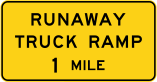
- Runaway Truck Ramp
Construction & work-zone signs





Guide signs




Service & information signs


Colorado road signs: frequently asked questions
What does Colorado's at-home knowledge test cost, and what happens if I fail it?
The DMV prices the @Home test the same way for a first attempt and a later one: a five-dollar testing fee plus a one-dollar-fifty card processing fee, six dollars fifty in total, with the first attempt itself listed as free. Separately, the page notes a state DMV fee of $11.50 payable in office or through myDMV online services. Failing does not close the door — you may retake it as often as you need, but only twice in a single day. The adult permit page adds the in-office consequence in plain terms: if you failed the written permit test before passing, an additional state fee of $11.50 is due for each retest when you arrive, and it cannot be paid online.
I read English slowly. What will Colorado do about that?
Both, and the at-home version handles it without any arrangement in advance. The DMV states that @Home tests "are available in English and Spanish like those currently offered in-office", and that with speakers connected to your computer the testing application will read the questions aloud in either language. In an office the accommodations are listed separately: the exam can be read by the testing station if you bring plug-in headphones, or verbally translated into another spoken language — with the important condition that the test-taker must provide the translator — or translated into sign language.
I am under nineteen. Is the at-home test still open to me?
Yes, with an adult attached to the session. Colorado's rule is that test-takers younger than nineteen need an adult older than nineteen to act as a proxy for the test, and the results are emailed to that proxy as well as to the applicant. The eligibility line for the @Home test is otherwise wide — any Colorado resident who needs to take a Driving Knowledge Test, using any desktop or laptop with a webcam and a major browser.
What does Colorado itself tell me to study before the test?
Two things, and it names them in both places it describes the exam. The handbook's own testing paragraph says practice quizzes are available online and through the myColorado app. The @Home page repeats the pairing when asked what to do to prepare: review the Colorado Driver Handbook and use the Colorado Driver Handbook Practice Quiz. Neither points you at a sign chart, which is one reason a page like this one exists — the handbook groups its sign pictures by relevance rather than laying every sign out for comparison.
If I turn up at a Colorado office late in the day, will they still test me?
Not if you are cutting it fine. The handbook attaches a note to its description of the written test and phrases it as a scheduling warning rather than a rule: written tests are not given within thirty minutes of an office's scheduled closing time, so plan your visit with that in mind. It is one of the few concrete constraints Colorado publishes about the in-office exam, and it is a good argument for the at-home route if your day is tight — that version is available any time you have an internet connection and a compatible device.
Official sources
- Colorado Driver Handbook (DR 2337)
- Colorado DMV — @Home Driving Knowledge Tests
- Colorado DMV — adult instruction permit
Checked against official state sources on 2026-07-29.